Showing posts with label money. Show all posts

Thursday, December 9, 2021

Two Rights Don't Make...

Jeeez, it’s been so long. You’ve both been very patient.

I got a question a few weeks back about using the world of my books in a game setting. Not, like, a question from Blizzard or Bethesda or something. Just someone running a tabletop campaign who (very graciously) asked my permission to use a bunch of these elements I’ve created in the game they were playing.

And this put me in such an odd spot I didn’t respond to it for a while. The more I thought about the answer, the bigger and more sprawling (and apologetic) it became. And then there was a semi-related question that came up while I was blathering away at the Writer’s Coffeehouse for SDCC, which reminded me I’d never answered it here.

So... let’s talk about rights a little bit. This is one of those terms that doesn’t get discussed a lot. Well, not in the correct way, I think. I’ve seen a couple people get screwed over because they didn’t realize what they were giving up and/or who they were giving it up to.

Also, to be clear, I’m just going to talk about what rights are. If any of you want to talk about how much rights cost or how long they should be held, that’s a different conversation, and not quite relevant to all this. For now, just defining rights and a little bit on how they move around

The easiest way to think of rights is that they’re legal permissions. I’ve created something (for our purposes, a long story of characters and events) and I can give, sell, or rent out (so to speak) all the assorted rights to this story. You’ve probably heard of some like First North American Publishing Rights. This means the person who has those rights is (surprise) the person who gets to legally publish the story for the first time in North America. My agent likes to talk about foreign-language rights a lot—German rights, Spanish rights, Thai rights. That means who gets to tell my story in those languages. And we all love to talk about movie rights, television rights, and action figure rights.

You might’ve chuckled at that last bit, but it’s worth mentioning. The number of rights is pretty much infinite, because there’s a near-infinite number of things that can be done with my story. It can be turned into a hardcover book or a Portuguese eBook. It can be a French stage play or a Russian movie or an episodic Korean podcast with a dozen voice actors. It can be adapted into a comic book or a video game or a line of collectible stickers. It’s sort of like, well, Rule 34. If I can imagine a right, that right exists. Because I own ALL the rights to my work, no matter how bizarre or absurd they are. I still hold all the collectible blind bag phone charm rights to the Ex-Heroes series and you’d better believe nobody’s getting those cheap.

Also, remember when I mentioned renting some of my rights up above? That’s what an option is. If someone can’t afford to buy the rights (or maybe doesn’t want to commit that much at the moment), they may option them. It means they get to act like they own the rights, but there are certain limitations and a very strict time limit.

This is one of the reasons contracts tend to be long. We want to be very specific about what rights the writer’s giving up and what the other party’s getting (and for how long). F’r example, let’s say I’m making a deal with a company for the audiobook rights to a book. If I just say they get all audio rights, there’s a strong argument that I’ve also just included podcasts and live audio streams and maybe even recordings of performances. Yeah, if someone finally decided to make that stage musical of The Eerie Adventures of the Lycanthrope Robinson Crusoe, a good lawyer could argue that those folks couldn’t release an album because this other company has all the audio rights.

So rights get divided up and different groups get permission to do different things with my story. For example (again), right now there’s at least eight entities (probably closer to a dozen, but eight off the top of my head) who all legally have different rights to my book 14. Some have them for a few more months, some have them for years, one has them for more than a decade. And it takes my agent a bit of work to make sure there are no overlaps, or that things are very specific when there are.

Make sense so far?

This brings us back around to that original tabletop game question. Which was, if you remember, about getting permissions. Sound familiar? So this moves us into tricksy legal grounds. Because this is a discussion about gaming rights and also (looking at the original question) streaming rights. And there’s a good chance (in this specific case, a really solid chance) these rights are already tied up. Someone else has them, which means I legally cannot say “yeah, sure, go for it,” because I’m not the person who can give those permissions anymore.

And I know some of you might say “No, no, Pete, this is just a casual game between friends. We don’t need to be this serious about it.” Which I absolutely get. Seriously, I do. Believe me, I used to work stuff from books into my games all the time. But this is one of the weird downsides of our modern world. It’s fairly easy to reach me (or any other creative person you admire), but it puts us in the weird position of having to respond in writing. And we all know what it means when something’s in writing.

Which is why some writers often don’t answer or give a very definitive no when someone asks about things like this. It puts us in a potentially bad position. There’s a lot of deals and contracts out there, lots of rights changing hands, and me (or someone else) putting something in writing that contradicts any of that long contract could be a real headache for me. Or for you. Or maybe for that new deal my agent’s been trying to put together that was going to cover my mortgage this spring. Somebody stumbles across that Twitch channel or YouTube video and suddenly, hey, why are these people saying they’ve got permission to do this? I thought these rights were available?

Which is why a lot of folks—including me—tend to be a bit cold when people message us about this stuff. Because there’s business stuff going on that we might not be able to talk about, but we legally need to respect.

And two quick notes—first, don’t take this to mean you can do whatever you want with someone else’s material as long as you don’t ask. Not what I’m saying here and you know it, so don’t try to use that as justification—to someone else or to yourself.

Second—the simple truth is almost every writer I know loves to hear they inspired people this way. That people want to play in their worlds, literally or figuratively. They’d want you to have that fun. Just because you can’t say anything in writing doesn’t mean you can’t tell them in person (as we creep closer to having public events again).

And that’s some quick facts and thoughts about rights.

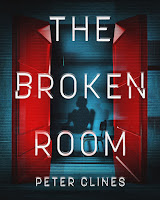
Oh, shameless plus in case you missed it. Yesterday we had a cover reveal for my new book, The Broken Room. Out everywhere in just a little over two months, and I'd really appreciate it if you stopped by your friendly local bookstore and pre-ordered a copy. They'd appreciate it too.

Next time... well, there was another question I got at the Coffeehouse that I’d like to answer a little better than I did there.

Until then, go write.

Seriously, the holidays are coming up and you know you’re probably not getting any writing done then. So write now.

Thursday, September 2, 2021

FAQ XVI – The Sweet Sixteenening

In the before times I tried to update the frequently asked questions every six months or so. Last year kinda blew that habit out of the water. A lot of this year, too. With all the disruption to, y’know, everything. Some things slowed to a crawl. Others came to a grinding halt.

And that meant I had a lot less news to share and/or questions to update.

Folks are finally getting used to this new normal, though, and enough things are getting back in motion that I figured it was finally worth updating this.

So here’s fresh answers to some of the most common questions I get. So now when people ask me those questions (again!)—or when their teacher says “Hey, hunt down an author on social media and ask them a bunch of questions”—I can just point you at this document, most likely pinned near the top of my social media pages and this blog (look, there it is in the right-hand-column). Which means the answers are all right here.

Or in the books. There’s lots of answers in the books. Really.

1) When are we going to see something new?
Next up for me is going to be The Broken Room, coming out in early March 2022—about six months from now! We technically have an exact date, but I want to hold off sharing that just in case things go wonky sometime between now and then. As a lot of things are right now. I wrote The Broken Room over lockdown last year and it’s a bit different for me. After a couple phone calls and discussions, my agent pitched it to publishers as “Jack Reacher meets Stranger Things.” And it turns out, hey, that sounded interesting to some folks.

After that—possibly before depending on how a few things go—I’m going to (finally) put out my short story collection as an ebook. Yeah, just an ebook, sorry. Dead Men Can’t Complain + Other Stories has been an audio collection for a while, but it really needs to get out more. And (if I can pull this off) there may be some cool bonuses for this version.

And, after some strategizing, my agent and I are talking about two more ideas you might like and he may be talking to certain folks about over the holidays...

2) Why did you do all these “Audible exclusives” for the past few years ?
First off, I only did two. Well, okay, four, since they offered to release some previously-published, out-of-print stuff nobody else was interested in anymore—The Eerie Adventures of the Lycanthrope RobinsonCrusoe and a bunch of short stories we combined into Dead Men Can’t Complain, but those two weren’t even exclusives.

Second, there’s a solid argument to be made that the majority of my fan base is audiobook listeners. Audible knows this, too, so when they heard about Dead Moon and Terminus they made me an extremely generous offer for exclusive rights, meaning both of them would be audiobook only for the first six months they were out. Then I’d be free to do what I want with them.

Yeah, I know it made some of you grind your teeth. Sorry if you weren’t an audiobook listener (for whatever reason) and it left you out of the loop for a bit. My agent and I talked a lot about the pros and cons of doing of those deals. In the end, I really wanted to tell those stories and that was the overall best way to do it. Again, I’m sorry if it put you in a bad spot.

3) Do you make more money if I buy your books in a certain format?
This sounds like an easy question, I know, but there’s a bunch of conditionals to any answer I give. A huge chunk of each and every book contract is just all the different terms and conditions for when and if and how people get paid. Lots of “ifs” and “excepts” and “unlesses.”

For example... format matters, sure, but so does where you bought the book. And when. And how many people bought it before you. And if it was on sale. And who actually had the sale (publisher or distributor).  And all of this changes in every contract.  What’s true for, say, Paradox Bound isn’t true for Terminus. In some situations. Usually.

TL;DR—just buy the format you like. It'll all work out fine.

4) So still no paper version of Terminus or Dead Moon?
No, sorry. There’s a couple of different reasons for it involving different business and PR things. If you’re really interested, I went over all of it about a year or so back. There’s still a chance both books may still become available if there’s a big demand for them (feel free to tell Crown Publishing you want to read them in print and would buy half a dozen copies), but for the moment these (and a few of my other older books) are only going to be ebook and audio. Sorry.

5) When are we going to see a movie/ TV series/ graphic novel/ video game of your books?

Well, first off, I hope you understand I have pretty much zero influence on Netflix making a Threshold series or Disney+ doing a Lycanthrope Robinson Crusoe movie. When we see a TV series or film adaptation, it means the filmmakers went to the writer, not the other way around. Think about it. If the writers just had to say “hey, make this into a movie,” wouldn’t most books be adapted by now? Everybody’d be doing it.

That said... yes, there’s a potentially big thing going on right now. But like so many Hollywood things, it’s moving along at its own pace and hasn’t quite hit the point where I feel good talking about it yet in anything more than vague terms like this. Once there’s something solid to tell you, I’ll tell you.

Really, you’ll probably hear me shrieking from wherever you are on Earth.

6) Well, is there anything we can do to help?
Buying books is always the best step. Talking about them is a close second. Hollywood likes to see big sales numbers and interest. Producers/ directors/ actors all hear about this stuff the same way you do—online reviews, bestseller lists, and social media. If #ParadoxBound started trending on Twitter tomorrow, there’d probably be a film in pre-production by the end of the year. Really.

So talk about books you like (anyone’s books, not just mine). Mention them to friends, write reviews (always good), tag online streaming channels if you want to talk about how this or that should be a movie. Word of mouth is the best (and easiest) thing to do.

7) I thought you don’t like people talking about your books. Now I'm confused.
I’m always thrilled and amazed people talk about anything I wrote. Seriously. I think most writers are. What I can’t stand, personally, are people who blurt out spoilers that ruin these stories for other people. It’s why I avoid those questions in interviews, ignore them on Twitter, and why—where I can—I delete (or block) posts that reveal things from a book.

And not just my stories! You shouldn’t mess up other stories, either. Movies, TV—I’m just saying, if you enjoyed it spoiler-free, why not try to give other people a chance to enjoy it the same way? Especially these days when release dates/airdates aren’t the ironclad things they used to be. Even if you didn't enjoy it, they might.

8) Do you have any plans to attend ########-Con?
I’ve been doing a lot of virtual stuff, but I’m hoping the world will be in a place where I can get back out there next spring and say “Hi” to folks. Really, I’d love to do a lot of stuff in February-through-May to help promote The Broken Room. So if you want to see me at your local con, let them know. Email them, tweet them, post on their Instagram account. Reach out, vote, and let your voice be heard.

Also, generally this is a sooner-is-better type thing. If you’ve got a convention near you that plans to go ahead in February, there’s a good chance they’re putting together a guest list now. So don’t wait—let them know right now that you want K. Arsenault Rivera there!

And me. Let them know you want to see me. Y’know... if you do.

9) Could you explain the whole “Threshold” series?
Threshold is the umbrella label for the shared “cosmic horror” universe I unknowingly began a little over nine years ago with 14. It refers both to doorways and also things reaching a critical point--common themes in many of the stories. There are some books that form a more linear story, a “series” if you will, and some that stand alone. Which. in all fairness, makes things a bit awkward sometimes. I know the marketing folks sometimes pushed Threshold as a pure, straightforward series even though I’ve said many, many times that it's just a shared universe. I know at times this gave some readers false expectations for some books, and I apologize if that was you.

10) Is Ex-Isle the last Ex book?
Yeah, Ex-Tension is on the back burner for the foreseeable future.  Sorry.

The truth is, every series has a limited life. Book one always sells best, not as many people show up for book two, even less show up for book three, and so on. Not a lot of folks leap in on book five, y’know? Something may happen to give the first book a boost (and all the other books after it) but they’re always going to be on a near-constant downward slope heading for that big red line where things aren’t profitable. None of the Ex-Heroes books ever lost money (thank you all for that), but when the publisher looked ahead to book six... well, hitting said line was pretty much unavoidable.

11) Have you considered a Kickstarter or a GoFundme?
Yeah, sorry, the answer’s still no. I love these books and had tons of fun writing them. I’m still amazed there are so many fans who love them so much. But the math is pretty simple—if enough people were willing to pay for another book, the publisher would be willing to put out another book. And all the numbers say that’s just not the case.

Yeah, I know some of you might be willing to pay twice as much to see one more book, but I think we can all agree there’s at least as many people (probably more) who wouldn’t pay anything. And that’s the math again—it just doesn’t work out for this.

Another point to consider. I’ve usually got a good sense of what I’m working on for at least the next year, sometimes even longer. If I do a crowdfunded project, I have to schedule my time under the assumption it’s going to succeed, which means telling my publishers any other projects need to be put off and scheduled accordingly. And that leaves a six or seven month hole in my schedule when the Kickstarter flops. Which—again—all the math says is what’ll happen.

So again, no. Sorry.

12) Will you read my story and tell me what you think?
Short answer... no

Long answer... look, if I said yes to even a third of the requests I got, I’d be spending most of my time reading and doing critiques instead of writing. I don’t mean to sound mercenary, but... writing is how I pay my mortgage. And buy food and booze. And I really like food and booze. And my house. So when someone asks me to read stuff, they’re asking me to give up a few hours of work. Would you want to give up a few hours of work? Plus, I do have this ranty writing blog sitting right, y’know, here with over a decade of advice and tips.

Also, sad truth is some folks are not too bright and lawsuit-crazy, and they ruin it for everyone else. Somebody shows me a piece of bland, generic fanfic, then a few years from now they sue me for stealing their ideas. Yeah, I know how stupid that sounds, but I’ve actually been subpoenaed and deposed for lawsuits with less behind them than that. It’s why I’m verrrry leery when I get a long message along the lines of “You know what you should really do next with the people from 14...”  Heck, some writers respond with cease & desist orders when they get sent stuff like this.  

So the long answer also boils down to “no.” And if you send stuff without asking, I’ll delete it unread, just like spam mail. And probably block you.

13) What’s up with your Facebook page?
Ahhhhh, Facebook. Where we’re the product and the target audience. Just like Soylent Green.

Sad fact is, Facebook made it pretty much pointless for me to have a fan page there.  They altered their algorithms over the years so my posts went from 70-85% engagement to barely scraping 10-15% most of the time. All to make me pay to reach people who were already following me. Which I won’t do for a few reasons, a big one being folks pretty solidly showed years ago that paying for views on Facebook actually decreases your reach. Seriously.

Sure--it’s their site, they can run it however they like. And yeah they absolutely deserve to make money off it. I’m a progressive, but I still believe in (regulated) capitalism. But part of capitalism is you have to make something I want. I don’t have to use your product.

Plus there’s all of Facebook’s side ventures. Collecting countless amounts of personal data. Deliberately spreading misinformation. Malicious social engineering. If you think I’m exaggerating, look up articles about how Facebook shaped perceptions or spread propaganda in Myanmar or Sri Lanka. Or, y’know, the USA. And these aren’t fringe articles—they’re from major news sites.

So, yeah,  I deleted my Facebook account almost two years ago (long overdue). There’s still a fan page there, but it’s just sort of a zombie page (zing) with no administrator.

14) What about Twitter or Instagram?
I’m @PeterClines on both.  Fair warning--as I mentioned above, I’m progressive and I’m a bit more political on Twitter. Most Saturdays I also drink and live-tweet bad B-movies while building little toy soldiers so...  look, don’t say you didn’t know what you were getting into.

Instagram is probably the geekier of  my social medias.  How is that possible, you ask?  Well, there’s lots of toys and LEGO and model robots. And cats. Can’t have an Instagram account without cats. Sometimes there are overlaps in these things.

Yeah, I know Instagram’s also owned by Facebook, but (for the moment) they’re not being quite so reprehensible and algorithm-manipulative on Instagram. So (also for the moment) I’ll still be there.


And I think that should answer about 83% of your questions, yes...?

Tuesday, July 20, 2021

Building A Better B-Movie

Just when I thought I was done with making movies, they dragged me back in...

And by they, I mean me. I came up with this all on my own. I think it might be kind of fun.

In a perfect world where people listened to experts instead of YouTube videos forwarded by drunk Uncle Carl, we’d all be fully vaxxed, there’d be herd immunity, and we’d be gearing up for preview night at San Diego Comic-Con tomorrow. Fantastic, right? Alas, this is not that perfect world and SDCC is online again this year.

I’m not doing any panels this time around. Really the only big things I’ve got planned are maybe building one of my larger, long-overdue LEGO sets (you can vote here) and doing one of my big, more public Saturday geekeries (more on that next time). You know, where I live tweet a movie and talk about all the things it’s doing right (or wrong).

For the past few years, I’ve also tended to mark this viewing party with a movie-related blog post. Usually an updated version of my Top Ten B-Movie mistakes list. But this year I decided I wanted to do something a little more positive and maybe even a bit instructional.

So this week we’re going to talk about about how to make a better B-movie. As in, if you and your friends were thinking of shooting a movie together, here’s a big pile of tips and hints. Today’s going to be about writing it, with advice based off my experience as a writer, screenwriter, and entertainment journalist. Then in our regularly scheduled Thursday post, I’ll offer some advice about filming said B-movie. That’s going to be based off my experience working on a few dozen B-movies and TV shows (some of which you’ve actually heard of), and also... yeah, my attempts to shoot a few low budget things with my friends. Which, y’know, you haven’t heard of.

Fun, right? Mildly interesting, maybe? I know a lot of you have no real interest in screenwriting, but I think some of the overall storytelling ideas here might still be kind of useful for you. They have been for me, anyway, in the long run.

So... let’s talk about writing a low-budget, fantastic B-movie.

First off, let’s be very clear on one thing. We’re talking about writing a very specific kind of script, and it’s kind of the reverse of what I talked about a few times in the past. This isn’t going to be a screenplay to enter contests with or submit to agents. It’s going to be a very solid script so you and your friends can make a good, cheap movie. It needs to follow some of the rules, but overall, this is just for you.

Second thing is all of this is written assuming this is a group effort right from the start. We’re writing it, but we already know our girlfriend’s directing, our friend’s going to star in it... or heck, maybe all of these people are the same person. Maybe I’m a writer-director-producer-actor. If that’s not spreading myself too thin... fantastic. Either way, this is the kind of stuff it’s good to know from the moment I start typing.

So...

1) Know What I’ve Got to Work With
If I’ve got a bunch of friends with Ren Faire costumes and armor, maybe I should consider something historical or fantasy. If I have open access to an office building, I should think about setting something in an office. The guy next door has an entire space station set in a warehouse he owns? Holy crap, you live next door to Roger Corman. Why are you listening to me—go talk to him!

Basically, I want to play to my strengths. If I’ve got a bunch of assets, I need to figure out the best way to use those assets. This can be a chance for some great creativity. We’ve got medieval costumes, one decent alien costume, and three or four really nice sci-fi props? Sounds like a spaceship crashed in the woods outside Camelot. Holy crap, was Excalibur really a power sword this whole time?

Also keep in mind—just because I’ve got  something doesn’t mean I have to use it. I don’t want to cram a dozen random elements into my movie just because I can. The goal here is to tell a cohesive story, not to fit in every plot point I think of. Phoebe may have a fantastic pirate costume from that theme wedding, but maaaaaybe the story just doesn’t need a pirate. I know it's hard to believe that, but it's true. Simplicity can be my friend sometimes.

2) Don’t Write What We Can’t Shoot
One of the unspoken truths about screenwriting is it often comes with a list of requirements. Maybe they’re budget things, actor things, studio things, who knows. If we’re making a B-movie, we’re probably going to have a lot of requirements. My scripts are going to be a lot stronger if I start with these limitations in mind, rather than forcing the director to deal with them when they eventually pop up on set.

If we know we don’t have a lot of special effects to fall back on, let’s not write scenes that depend on special effects. If we know none of our friends want to show a lot of skin, I shouldn’t put in a lot of shower scenes and torn shirts. If I live in New Hampshire, maybe setting half the movie outside in a rain forest isn’t the best idea.

Really, this is the flipside of my first point. Know what I’ve got to work with, but also be clear on what I’m not going to have. It’ll make the whole process easier in the long run.

3) Beware of Expensive Scenes
One of the first things people tell you about screenwriting is not to worry about budget. But, we have to worry about budget. We’re making a B-movie and doing a lot of it by calling in favors and debts. We don’t have money to burn on this thing. So if we can eliminate some essentially expensive scenes up front, that’s going to be a win for us.

Thing is, there are certain scenes that are very easy to write and look cheap at first glance, but the truth is they’re very expensive to get on film. I’m going to name a couple and explain why...

-Crowds—big groups of people on film are expensive for three reasons. One is that a responsible filmmaker’s going to give them food and drinks, especially if you’re not paying them (so at least buying lots of pizza and soda, plus enough plates, cups, ice, napkins, trash bags). Two is that you’ll probably need extra help getting them all to do what they need to do. Three is paperwork—if someone’s on film, they need to sign release forms for us using their image, even if we’re not paying them (especially if we’re not paying them). Essentially, crowds burn up a lot of our resources really fast.

-Food—let’s say I’m going to have someone take a bite out of a hot dog in this scene. That’s all. They grab a hot dog at a backyard barbecue, have one bite while they’re talking, put it down. So that’s one hot dog for the master shot, and one for the reverse master (because they’ll need an unbitten dog to take a bite out of). One for each angle of the overs. One for the coverage. So at the bare minimum, we just went through five hot dogs. And that’s assuming we got everything in one take. This one-bite shot can add up to three or four packs of hot dogs and buns really fast. And again—this is just one person having one bite. And we’re not even considering someone’s going to have to keep cooking them, so we’re going to need a working grill, fuel for the grill... seriously, just cut the food scenes.

-Kids and Animals—if we have kids and animals as possible assets to use for our movie, that’s fantastic. But it’s a safe assumption that every scene with kids and animals are going to take twice as long to shoot. That’s the big reason they’re expensive, especially on this level. They use up time we could be using for other things.

-Getting dirty—throughout the course of a story, somebody could get smeared with dirt or blood, maybe get a sleeve torn, get their hair mussed up, something like that. Maybe they just fall in the pool. Heck, maybe they’re just putting mustard on that hot dog. If I see a change like this happen on screen—let’s say Phoebe gets mud thrown on her shirt—then we need multiple shirts for every single take of this (again, I refer to the hot dog). Plus, it’s another time expense as the actress playing Phoebe has to go get changed, maybe clean mud off herself, fix her hair back to how it was. Again, looks simple on the page, but it adds up really quick when you talk about production. I’ve been on shows where they’ve bought four or five matching shirts for gags like this, and it still didn’t end up being enough.

-Night shots—it’s hard to tell sometimes, but exterior night shots in movies and television often use a lot of lights. Dozens. Yes, even some found footage stuff. There’s a real art to making well-lit darkness. That means good night shots require someone who knows what they’re doing and the equipment they need to at least do it passably well. If I have to have a night shot... could it maybe happen in a well-lit parking lot?

Okay, this one got really long, but you get the general idea. I could probably come up with five or six more examples. Thing is at this level, I need to think about how stuff will actually be shot and what that could involve.

Moving on...

4) Know What I’m Writing
Once we’ve juggled all these assets and limitations with our own goals and desires, we should have a pretty clear idea of what kind of movie we want to make. Yeah, it’s a B-movie, but is it a supernatural thriller? Urban fantasy? Holiday romance? Period sci-fi? I should keep this in mind as I’m writing. If it’s a horror movie, why are we spending twenty pages on this whole dating/romance scene?

Also, who is this for? Who’s our audience? Are we looking to make something family- friendly or a little more for the 18-35 range? All these decisions should help shape some scenes a bit.

5) Know Who My Hero Is
I’m mentioning this because it’s always the #1 problem when I’m watching my Saturday geekery B-movies. Like I was just saying about the genre, when we’re hammering out this story together, we need to figure out who our main character is. Is it him? Is it her? Are those three our mini-ensemble? This is storytelling 101—who should my audience be paying attention to? Who should they be rooting for?

Once we know who they are, we need to make sure they’re a good character. And, weird as it may sound, Wakko being our main character means they should be, y’know, the main character in the movie. There should be more pages about them than about Yakko. Or Phoebe who’s willing to wear that tiny bikini on film. The hero is the person we should be spending the most time with. They should be the one driving the plot forward.

6) Be Cautious of Camp
This is a tough one. At this budget level, it’s really tempting to just wink at the camera and make a joke out of how silly that costume is or that we’ve go three people standing under a paper-and-sharpie banner that says “WOODSTOCK.” Trying to hang a lantern on it can seem like an easy way to get around a lot of stuff.

Thing is, this type of comedy wears thin really fast. One of the secrets of camp is that the best examples of it never give the audience that little nudge-nudge, wink-wink. They play themselves completely straight. Too much obvious camp makes it look like we’re not taking this seriously, at which point... why should the audience take us seriously as filmmakers?

If we’re not making a comedy, resist the urge to lean into comedy. Especially as an excuse.  We want to embrace our strengths, not mock our weaknesses.

Speaking of which...

7) Think Big
I know with everything I’ve said so far, it probably feels like our best bet is that old indie standard “three people trapped in a hotel room that looks a lot like the bedroom of my apartment.” But just because we don’t have any money doesn’t mean we can’t have big ideas. We can’t have battlemechs fighting kaiju, but that doesn’t mean we can’t have a big concept.

There are so many examples out there of high-concept, low budget movies. Saw is literally just the old bar question of “what would you do to escape this?” asked with some low level special effects. Primer is a time-travel movie where their big expense was some cardboard boxes wrapped in tinfoil. The Blair Witch Project. Monsters. Chronicle. All of these movies are really big story ideas that people figured out how to do in small, low-budget ways. We should absolutely aim as high as we can.

Okay, just a few more...

8) Format It
I’ve talked about screenplay format in the past. Technically, yes, if I’m only writing this to shoot with my friends, it doesn’t matter if I’ve got the format down or not

But... if I do have it formatted correctly, there’s a bunch of really helpful tricks I can use. Like timing my script. You may have heard that one page is about a minute of film time (according to a good friend of mine who's a script supervisor it's closer to 53 seconds on average, but one minute's an easy rule of thumb). So if I’ve got this in the right format, I can immediately look and know this scene is probably going to run long, or that the whole thing is barely an hour.

Another good one. We should generally figure it’s going to take about 90 minutes to shoot one page (again—talking about a properly formatted script). Some may go faster, some slower, but in my experience 90 minutes a page is a good estimate. Which means now I can schedule a shooting day (more on that next time)

It may be a bit of a pain, but there are some serious advantages to formatting this correctly. I don’t even need special software—if someone happens to have it, cool, but I’ve written pretty much all my scripts in Word with a few formatting macros set up. Hell, my first few I just wrote ‘em and then went back through and got all the formatting right.

Yeah, fine, maybe you can come up with an all-new, far-better way to write and format screenplays. You’re not part of the Hollywood machine, churning out IP garbage! You can be the guy to disrupt scripts (yeah, if you’re thinking all this, I’m just naturally assuming you’re a guy). But the thing is do you want to spend the rest of the year developing your new screenplay format... or making a movie?

9) Top Screenwriting Tip—RIGHT NOW
I’ve mentioned this before so I’ll give you a link and not go into it too much here. Because this whole post is getting really long. Super short version, if it’s not on screen right now, it shouldn’t be on the page. Are we shooting backstory in this scene? No? Then there shouldn't be any backstory on the page. No inner monologues or struggles. No character sketches. No notes to my friend (or future me) who’s directing this. What’s on the page should be what’s on the screen right now, and vice-versa. 

I know it’s tempting to put all that stuff in the script (it’s got to be somewhere, right?). But one of the reasons people growl about details like this is because it messes up all those estimates we were just talking about. Because none of this stuff actually gets filmed.

And now, my final big tip for writing a B-movie...

10) Actually Write The Script
Because this is just us and our friends making a movie, it kinda feels like we don't need to bother with putting the whole thing down on paper. I mean, we hashed out all this stuff I’ve been talking about last night over pizza and rum, right? We know what genre this is, who our hero is. The big stuff’s done, we can work out all the fine details on set.

The truth is, a complete script just makes it much easier to tell a cohesive story. The less I plan out, the more things veer off the path. If the actors want to ad lib on set and the director wants to let them ad-lib and the ad-libs are actually useful and germane to the discussion, as someone once said... cool. But until then, I need an actual, finished script. For all those formatting reasons I mentioned above, but also so I can actually plan this out.

Plus, it’s just more professional. True story—I worked on a low-budget TV show and one episode... we didn’t get a script. Seriously. This was an actual, on-television show and they didn’t give us a script. The actors didn’t have anything to rehearse. The costumer and I got called into the line producer’s office to discuss prep and he just said “Get some military stuff.” When we tried to ask what year, what branch, dress or combat, for how many people... he actually got annoyed with us and said we’d have to “think on our feet” for the next episode.

Don’t be like this to your cast and crew. You can be more professional than that. Hell, you can actually be more professional than that professional.


And look at that. There’s ten tips for writing a better B-movie script. And a ton of links to guide you back to some other stuff I’ve said about the process.

Next time, we’re going to give this script to the director (who, granted, might also be us) and talk about a couple ways to make sure this whole filmmaking thing goes smoothly and maybe gives us something we’re willing to show people.

Until then...

Well, go write. 
Monday, March 15, 2021

One Last Look Back

Just a bit of random musing, not quite so writing related. Or maybe it is.

Did my taxes last weekend. Well, I did the part of my taxes where I sort through a box of receipts and notes and paperwork and try to organize them by deductible categories so I can hand them off to someone more knowledgeable than me. It’s a pain, but I admit I also kind of like doing it. No really. Yeah, even though half of it’s just meaningless numbers, things I saved for this line or that expense.

It’s the other half that makes it enjoyable. That’s the part that becomes a little time-capsule look at the past year. Meals out with friends. Date nights with my partner. Hey, look, there’s me buying myself the LEGO Bookstore set to celebrate the release of Terminus. Here’s the assorted gas/comics/food receipts from my monthly road trip up to LA for the Writers Coffeehouse and the Last Bookstore dystopian book club.

Which is what got me thinking, because last night was said dystopian book club. It was also the one year anniversary of the last time we all met in person (and where my number of receipts dropped drastically). We’ve been meeting on Zoom since then. Last March most smart people were already seeing the signs and realizing how bad this could be. And even though *cough* certain people kept going on TV and saying “it’s not a big deal, it’ll be gone in a few weeks, don’t worry about it,” the rest of us were thinking maaaaaaybe we should just shop really late at night when nobody’s around. Or how much does getting groceries delivered really cost?

I’m guessing most of you are in the same boat. We’re all hitting our personal Covid-versaries about now. It’s been a brutal year, and I think, alas, we’re probably still in for some brutality to come. The fight’s almost over, but there’s still time for a cracked rib or a black eye. In fact, I’m tempted to say there’s definitely a few body blows in our near future, collectively or individually.

It’s also been a rough twelve months creatively. I mean, at this point a year ago I was about halfway through the first draft of a project. And a few months later I was... still about halfway through the first draft. It took a while to get the mental gears meshing again, and that’s considering I’m in the very fortunate, privileged position where lockdown didn’t change my life that much. My partner and I both work from home, and we didn’t have to stress about losing work. We don’t have kids. We’re used to just spending time with each other and not going out much.

What I’m getting at is if this year messed up my ability to write, I’m impressed as hell by all of you in not-as-favorable who’ve gotten writing done. If you worked up the energy and drive to get some pages done, that’s seriously great. If you managed to get some things edited, that’s just fantastic. If you managed to do a whole draft? Holy crap, that’s plain amazing. You got a whole draft done during this past year? That’s phenomenal! Talk about focus—you’re a friggin’ machine!

Did you get more than that done? Shut up. Nobody wants to hear you gloat about it.

No, it’s okay. You can gloat a little. Seriously, it’s unbelievable that you managed to stay the course during all this.

Again, if you got something done—anything—during this hellish plague year, you should be proud of yourself. Writing’s tough when things are great. If you can keep doing it during a year like 2020, well...

Think what you’ll be able to do once this is over.

Tuesday, February 9, 2021

Three Things About Publishing

After I put up my list of publishing definitions last week, I got a comment that made the gears in my brain start spinning.

Part of it was because they (innocently, I believe) mentioned the idea that publishing is some sort of competition. Which it isn’t. Anyone who’s earnestly pushing that idea, that I’m somehow competing against other writers, is saying a lot more about themselves than they are about any aspect of publishing. Seriously.

And right after that someone on my twitter feed mentioned they’d given up on the idea they’d ever be a published novelist. Which was kind of heartbreaking, to hear someone’s given up on a dream. But it’s also tough to counter because... well, “published” isn’t always the neat, clean goal some folks think it is.

Anyway, I went to answer the first comment, started thinking about the second, and that’s how we ended up with a bonus post. These aren’t tips or tricks but more guideposts. If I’ve finished my manuscript and I want to be published, there are certain decisions and admissions that need to be made. I may be way off—and I’m open to hearing other thoughts--but I think if I want to succeed in publishing, there's three things I need to be very honest about.

That’s the big thing here. I need to be completely, brutally honest with myself.

First is being honest about my manuscript. Is it the absolute best it can be? Have I really put in the work? Did I do multiple drafts? Line edits? Get feedback? Did I listen to the feedback? I’ve mentioned once or thrice that “good enough” isn’t going to be an easy sell, for me to an agent or for an agent to an editor.

Again, we’re not talking about what it can be with help from that professional editor. We don’t care about how cool the adaptation’s going to look on the big screen. How is this manuscript? Seriously.

Second is being honest about how many people my manuscript is really going to appeal to. We all love the idea of the runaway bestseller with millions of copies in print and  dozens of  translations. But the simple truth is that’s very rare. Maybe one book a year does that. Maybe. And simple math tells us... it’s probably not going to be our book. I mean, hell... my own grandmother never read any of my books. They just weren't her thing.

So I need to really consider this. How many people are realistically going to want to read my book? Will it only appeal to die-hard splatterpunk fans? Would most mystery readers enjoy it, or only cozy readers? Yeah, it’s a fantastic sci-fi epic, but how big is the market for sci-fi epics right now?

Having a realistic understanding of how much my book will sell makes it a lot easier to sell my book. It also gives me a good sense of what path I want to be on. A book with broad appeal has a better chance with a big traditional publisher, while a more niche book may do well at a small press, and a very niche book could make me a lot of money self-published.

Third, maybe the toughest, is being honest about what I really want out of this. Why do I want to be published? Am I hoping to make storytelling a career? Do I just crave the validation that somebody thought I was worth publishing? Do I want a six-figure advance? Am I just hoping to get invited to better parties the next time I’m at a con? Am I seeing this as a stepping stone to Hollywood or comics or something else? Is this just all about getting chosen for you-know-who’s book club?

There’s a lot of book clubs out there after this past year. There’s probably one we’d all like to get chosen for.

It may feel like there’s a lot of overlap and room for multiple choices in that mess of questions, but again... what am I really hoping to get out of this? What’s the thing that pops to mind when I hear “published author” applied to me? Do I want the money? The recognition? Something to put on my shelves? Hopefully it’s clear that what I’m hoping to get should affect how I go about trying to get it. And maybe, if I’m being honest, I might even realize my primary goal in writing a book is a bit... unrealistic?

Again... be honest.

And once I’ve been honest about these three things, I should be able to see some overlap. Places where pushing at this one means pulling on that one. And when I’m done, it might give me a better sense of where I am. And what I may need to do to get where I want to be. I’m not saying these things can guarantee anyone a publishing contract, but I think it’s worth noting that most of the successful writers I know consider this stuff.

Anyway, just a few quick thoughts. Your mileage may vary, as the kids say.

Next time... Cloverfield.

No, wait, what am I saying. This weekend is Valentine’s Day. And book club! Thursday we’ll talk about love. Cloverfield can wait until next week.

Thursday, February 4, 2021

Let's Talk Terms

I had a conversation with an acquaintance of mine just after the New Year. They’d been offered a contract for their manuscript but were getting some iffy vibes from the  publisher. I talked with them about it for a bit and pointed out, yeah, there were a few good reasons for those iffy vibes.

What surprised me is that this acquaintance is a smart person, and I’ve talked with them a few times about writing and publishing. But combining the excitement of getting accepted with some potentially confusing terminology and, well... I can see where it’d be easy to get caught up in things. And maybe a little confused.

So I figured, hey, let’s take a minute or three and just talk publishing terms. These are things you may have heard or seen tossed about, but nobody ever explained them in any sort of depth. And they’re good things to understand if I want writing to be some level of career. Especially a full-time one.

Also, before anyone rushes to make angry points below, this is about definitions, not “which one is better.” If you want to have that argument, I’m sure there’s someone else out there who’d be pleased to go at it with you, no matter what view you take.

Let’s start with the basics. Traditional publishing is when somebody offers me money for certain rights to my story, often for a set period of time. By rights we generally mean the print rights, ebook right, and nowadays audiobook rights are very common, too. Anything more than that may be getting a bit sketchy (why does a book publisher need movie rights?). Again, publisher’s getting certain rights, and the author's getting money for those rights—that’s textbook traditional publishing right there.

Because they’re getting these rights, the publisher’s taking on all the responsibilities. They’re going to take care of editing, copyediting, layouts, cover art, the actual production and distribution, marketing, publicity, and so on. A good publisher is probably going to involve me in all this, but it is theirs at this point (they paid for it) and it’s ultimately all up to them. We could talk for hours about different people’s experiences—good and bad—past that, but I think for now that’s a good basic way to look at it.

Let’s talk about that payment. This is something I think some people get confused about a lot, and there are some folks who take advantage of that confusion. For the purposes of this discussion, all the money I make off a traditional publishing deal is going to be in the form of royalties. They’re a percentage of the money the book makes. Usually not a very large percentage, true, but as I just mentioned, I have no responsibility here. Someone else is doing all the work and paying for everything. So don’t be shocked or angry when you hear that percentage is usually going to be a single-digit number.

Some quick math. Let’s say I’m getting a 5% royalty rate. My book sells for $20. The publisher sells 5000 copies to bookstores and other retailers across the country. That’s 5000 x $20 = $100,000, and my cut of that would be $5000. Make sense?

”But hang on,” says Wakko, “I thought they bought the rights. Where’s that money? Where’s my advance?”

Now... here’s where it might get a bit confusing.

If you’ve ever worked for a small company, you may have been able to ask your boss for an advance on your paycheck. Give me a hundred bucks now, take it out of my check then. When we talk about an advance in publishing, it’s the same thing. The publisher’s giving me some of my royalties before the book’s actually sold any copies. It’s kind of a show of faith—they think the book will sell XXX copies, so they’re giving me X right up front.

To build off the above example, let’s say the publisher gave me an $8000 dollar advance. When that first wave of royalties come around, I’d get nothing—but only because they already gave it to me. I got that $5000 in the advance (plus another $3000). When the book’s made me that full $8000, we say it’s earned out its advance, and from this point on the royalty checks will go straight to me.

Also, no matter what you may have heard... publishers don’t demand the advance back if my book doesn’t earn out. Seriously, it’s a non issue. If we dug into the very, very rare cases where this happened, we’d find something else had happened to make the publisher ask for their money back. The contract had been broken somehow or something had happened to make publishing the book a business/ethics problem. So it’s not so much asking for the advance back as it is canceling the whole deal.

One other thing worth keeping in mind. I’ve seen a few publishers be a bit... let’s politely say disingenuous by suggesting not giving advances is better for me, the author, because I’ll start getting royalties immediately! But here’s the thing to remember—advances are royalties. They’re royalties I’m getting before the book earns any money. How could anything be more immediate than that? If I gave you the choice of eating cake now or waiting until we decide to bake a cake... what’s the quickest way for you to get cake?

Wow, said a lot more there than I planned to. Anyway, moving on...

The next thing you’ve probably heard of is self-publishing. Sometimes this gets referred to as independent/ indie publishing, but I’ve got to admit that always feels like a bit of sleight of hand to me. Usually when people talk about indie publishing, they’re talking about smaller publishing houses that aren’t connected to the Big Five (I think it’s still the Big Five for a few more weeks, yes?). So when people lean into this... I mean, they’re technically correct, but it feels like they’re just trying to avoid saying they’re self-published.

As the name implies, self-publishing means I’m doing everything myself. I’m writing the book, but I’m also editing and copyediting the text. And I’m in charge of layouts, cover design, cover art, distribution, marketing, publicity, all of it. Because, well, I’m the publisher. This also means I’m sinking more time and money into the publishing side, since I either need to learn how to do all these things or pay somebody to do them. Also means no advances because, y’know, who’d pay them? But it does mean a more sizable chunk of the profits, and successful self-pubbers can make some serious cash. If they’re successful.

Now, this brings me to a slightly newer term (relatively speaking). Over the past few years you may have heard of hybrid authors. This is when an author has some books that are traditionally published and other books that are self-published. Doing both things = hybrid. Get it?

The idea of a hybrid author was pretty much unheard of for ages. You were solidly one or the other and that was it. But times have changed, openings and opportunities have appeared, and lots of authors do this now. Some do it with new material. Some (like me) do it with older works that have reverted back to them. Yes, I too am one of these hybrids we’re speaking of.

Please note this doesn’t change anything I’ve mentioned above. The hybrid author tag is cool, but that’s all it is—a cool label. I’m still traditionally publishing just as it’s described above, and I’m also self publishing just as it’s described above.

Okay, two more things I want to mention...

First is a vanity press. You may have heard this one before. A vanity press isn’t so much a publisher as a printer that overpromises. Or, y’know, a scam that takes advantage of aspiring authors. They offer “publication,” but the author pays for the editing, copyediting, layout, cover design, cover art. distribution, marketing... hey, this list sounds familiar, doesn’t it? It’s all that stuff I’d have to pay for if I was self-publishing. But by going through a vanity press I get to... share the money with them? So, I pay for everything and they still take a cut of the profits. Sometimes as their percentage of the royalties, sometimes as payment for actually producing the book... which, again, I’m paying for. So sure, you can have a hardcover edition—they’re only $11.23 apiece and we need you to make a minimum order of 500 copies.

Here’s a much better deal. Self-publish your book and just send me a cut of the profits. I mean, if you're going to give money to somebody for no reason, why not? I promise to spend it all on rum and toy robots. See? Don’t you feel better about that already?

Anyway...

One giveaway is that vanity presses will take pretty much any manuscript they get. Sci-fi romance? Accepted. Historical fantasy? Accepted. Deranged conspiracy theories written in crayon on a placemat? So accepted! They’re not making any actual investment, so there’s no risk for them. If my book fails, it fails. Nothing to them. They already got paid. Again... by me.

Now, I thought those last two were worth mentioning because my acquaintance up above told me they’d recently heard the term hybrid publisher, which was new to me. And after they explained the contract to me, I did a little more digging and educated myself a bit. Which is tough, though, since hybrid publishing doesn’t really have any set yardsticks. And this is where it gets a bit tricky...

One thing most accounts agree on is that hybrid publishers charge the author. Depending on which press I’m looking at, they might charge for editing, copyediting, layout, cover design, cover art, distribution, marketing, and HEY! This is that same list of publishing requirements. Again. So again, I have to ask why am I paying someone else to do this if I’m not getting all the profits? If I’m paying, I’m the publisher, right?

Now, a defense I saw of a few hybrid presses is that they’re different from a vanity press in that they don’t take everyone. They curate their list just like a traditional publisher would. And I think that’s cool and generally good business, but... well, I mean, if you think about it, vanity presses don’t accept a lot of people. My dad’s never been accepted by a vanity press. Neither has my niece. A vanity press only takes advantage of the people it accepts, so if my main defense is that I don’t accept everyone... I mean, isn’t that like saying there are lots of people the Golden State Killer didn’t murder?

To be clear, I’m not saying that all hybrid publishers are a scam. I can’t because, as I mentioned, there’s no yardsticks. They all have different practices and guidelines. But I get very leery any time a publisher starts asking for money. Because the minute I’m paying for things or I’m doing a large share of the work, that sounds a lot like self publishing to me. And if I’m self publishing... why is someone else getting a cut?

Unless of course, it’s me. And you’re sending me money for rum and toy robots. 

So anyway... there’s some terms for you. Some of you may have known a lot of this already, but if you’re somebody who didn’t I hope this might help a bit next time you’re making decisions. Or just considering things.

Next time... I think we really need to talk about Cloverfield. Specifically, about this journal I was keeping while the monster attacked the city.

Until then, go write.

Tuesday, September 29, 2020

Book Smart

A question I tend to get a lot is “when will X be available in paperback?” It comes up so often it’s in the FAQ. But, in all fairness, I’ve kinda brushed over the answer past saying “not in the foreseeable future.” Because the full answer’s big and unwieldy and some folks always want to complain about format. So it’s easier to just say “not in the foreseeable future.”

And I get why this is probably confusing to some people. Aren’t we living in a golden age of self publishing? It’s easier than ever, right? If nobody else is going to put these books out, why don’t I just do it myself?

Since I’m kind of at a key point right now—with Terminus just out in ebook a few weeks ago, The Eerie Adventures of the Lycanthrope Robinson Crusoe coming back in just a few weeks—I thought it might be a good time to finally explain why there aren’t physical editions for any of these.

Although... okay, thinking about it, this may need a bit more explanation. Which could be kind of dry and boring. Let’s try it like this...

Why didn’t you just put out these books ages ago?

All of the books I’ve been releasing under the Kavach Press banner originally started with traditional publishers, so I didn’t have the rights to put out anything. Crusoe and -14- both started at Permuted Press. Dead Moon and Terminus had exclusive deals with Audible (explained, again, in the FAQ). Now that they’re back in my hands, I’m putting them out as I’m able.

But how did you get the rights away from the publishers?

Well, in all of these cases it was just written into the contract. In the case of Permuted, it was just X number of years go by and all the rights revert back to me. In the case of Audible, they only had the audiobook rights, but part of the contract guaranteed they’d get to be the exclusive distributor of the book for six months, and then I’d be free to do what I wanted with the other rights (ebook rights, paperback rights, foreign rights, and so on)

No, I heard publishers never do anything fair. How’d you really do it?

That was it. Really. It’s not that unusual a thing to have reversion clauses in book contracts.

I think the disbelief here comes from two issues. One is that some folks take their specific, unique interaction with a specific publisher and then extrapolate that this is what it’s like for all authors with all books at all publishers. And like most things on the internet, the worst-case scenario is the one most people point at.

Second (somewhat related to the first) is for a while there were a few folks who built up a nice little industry around the idea of hating/fearing traditional publishers. They’d point to all those worst-case scenario contracts, yell about gatekeepers, and hey if you want to see what those idiot dinosaurs turned down you should check out my book for just $2.99! Oh no, there are caravans of traditional publishers coming and we have to build a wall to keep them out! But don’t worry—the Big Five will pay for the wall!

Am I saying all publishers are noble and true and care about nothing but the art? No, of course not. They're running a business, and the business aspects of deals are always going to be important to them . But reversion contracts are still normal. Any decent agent will insist on them. Any decent publisher won’t have a problem with them.

Okay, but now you can just self publish them all, right?
Well, yes and no. I can legally, yes, but as I’ve mentioned to folks a few times, the often-ignored part of self-publishing is it means I’m the publisher. I’m in charge of cover art, layouts, blurbs, marketing, publicity, all of it. And I just... I don’t want to do any of this. I think it’s fantastic that some people can do this. I’ve got a lot of friends who do. But it’s not for me. I’m a writer, not a publisher.

So I’m putting the ebooks out. With some help from some friends and a bit of money for covers. And that’s pretty much it. Because I want to spend my time writing, not publishing.

Well if that’s the case why didn’t you just stay with the original publishers? 

As far as Dead Moon and Terminus go, the original publisher doesn’t do ebooks or print books. And, again, they were never going to. In that case it’s less “the rights reverted” and more “the rights freed up.”

As for Permuted... without going into too many specifics, I ended up having some issues with both publishers (the company was sold a few years back, so I’m talking about the original and the new owners) and the new directions they took Permuted. Long story very short, I wasn’t comfortable doing business with them. When I got the chance to get my rights back, I took it.

Fair enough. But self-publishing on Amazon is so easy! Why not just have them make paperbacks?
It’s easy to do, yeah. It’s not easy to do it well. Kindle books are easy because there’s a basic, minimum amount of formatting—most of it’s adjusted by the individual reader on their chosen reading device. Print books, however, need everything locked down. Page layout. Chapter breaks. Blank pages. Paper choices, Spine layout. Again, much more publishing-work, not writing-work. Plus, as I’ve mentioned before, there’s an inherent cost to these books. It’s harder to make money, which makes them harder to justify.

Well, they’re hard to justify for a couple reasons.

Which means...?
Look, Amazon is a huge part of the ebook market. Depending on who you ask, anywhere from 2/3 to 3/4 of it. It’s difficult to do anything with ebooks even semi-successfully without using Amazon.

That’s not true of paperbacks, though. We have lots and lots of paperback distributors all across the world—bookstores. And I happen to like bookstores. A lot. So I’m not going to compete with them by putting out paperbacks that are only available on Amazon. I’d rather take that hit and just not have physical books. 

Aren’t bookstores dying anyway, though?
Actually, indie bookstores were doing fairly well, overall, before the pandemic. Even with the pandemic, a lot of them are still doing well (check out two of my favorites, Dark Delicacies and Mysterious Galaxy). It just comes down to the whole shopping locally thing. Do you want to put money into your community or into a corporation with a multibillionaire owner?

Yeah, these days it’s a tough call for all of us. It’s about how much money we have to spend and how much we want to make. But we all need to make that choice and do what we feel is right.

But what about all the money you’re missing out on?
In all fairness, it’s probably a small hit, and it’s more likely to cause fan ripples than financial ones. As I’ve mentioned before (quick, back to the FAQ) I tend to make most of my money in audio format anyway, and when you add in the extra expense behind a paperback copy, in the end I’d make very little money to please a few fans and annoy a lot of booksellers. 

So, yes, I’m kinda like that guy offering to give up caviar for Lent or something like that (never been 100% clear how Lent works). 

But what am I supposed to do? I hate audiobooks and ebooks! I want something for my shelf!

I am very sorry for that. I don’t like alienating fans, but sometimes this is just how things go on the business side of it. I know the Audible deal annoyed some folks, but it made a lot of other folks very happy. I think overall it made most people happy because Dead Moon and Terminus wouldn’t’ve been written if not for that deal. There’s always a chance that somewhere down the road some things will change and some (or all) of these books will be available in physical form. Maybe paperback, maybe even hardcover. But I’m afraid for now...

It’s not in the foreseeable future.