
Showing posts with label sci-fi. Show all posts
Showing posts with label sci-fi. Show all posts
Friday, May 14, 2021

Thursday, August 13, 2020
Where B-Movies Go to Die...
And now for something completely different... Okay, first off, there are people who’ve put far more study and hours into
B-movies (bad and good) than I ever have (seriously, check out Patton Oswalt’s
Silver Screen Fiend). I watch a lot of them, yeah, but I freely admit
there are some holes in my education. On the other hand, I also have a much
more rounded film education than a lot of folks—being a huge fan, having worked
as a film journalist, and having worked both above and below the line on film
projects. I worked on a movie that spent three weeks at number one at the box
office, another movie that’s considered one of the worst films ever made, and a
double-handful of movies I guarantee you’ve never, ever heard of.
Okay, first off, there are people who’ve put far more study and hours into
B-movies (bad and good) than I ever have (seriously, check out Patton Oswalt’s
Silver Screen Fiend). I watch a lot of them, yeah, but I freely admit
there are some holes in my education. On the other hand, I also have a much
more rounded film education than a lot of folks—being a huge fan, having worked
as a film journalist, and having worked both above and below the line on film
projects. I worked on a movie that spent three weeks at number one at the box
office, another movie that’s considered one of the worst films ever made, and a
double-handful of movies I guarantee you’ve never, ever heard of.
All that said, I think B-movies have a fascinating history, and I think we need to consider it—and how we define them—in order to answer that question.
BUT...
 It’s important to note these were all still people with a degree of training. They
weren’t grabbing people in
It’s important to note these were all still people with a degree of training. They
weren’t grabbing people in Tulsa Hollywood Hollywood Los Angeles to be in the film industry, Tulsa
(minor segue—go read Bruce Campbell’s If Chins Could Kill for a great story of him, Sam Raimi, and Rob Tapert trying to screen an 8mm print of their movie that they’d already blown up to 16mm and then tried to blow up again to 35mm)
(go on—support your local bookstore!)
So, in my eyes, this second golden age (silver age?) re-established B-movies as stepping stones. Studios were now willing to take some gambles on lots of lower-budget stuff, and there were a lot of films that needed filmmakers. And even if they were less experienced, they still had basic, baseline experience.
 I also think this is why there are so many great B movies from this era. It was
a perfect confluence of lots of experienced, dedicated people waiting for an
opportunity and studios willing to take lots of chances. Or at least say “Yeah,
sure, whatever... just have it done by the 15th.” Which also meant some people
had a chance to slip in a little art after all...
I also think this is why there are so many great B movies from this era. It was
a perfect confluence of lots of experienced, dedicated people waiting for an
opportunity and studios willing to take lots of chances. Or at least say “Yeah,
sure, whatever... just have it done by the 15th.” Which also meant some people
had a chance to slip in a little art after all...
But as studios evolved, we began to see less and less of these low budget B-movies as execs leaned more and more into what we usually now call “tentpole” movies. Things either got larger budgets or... got forgotten. Heck, there was a brief-point in the late 90’s when horror movies almost broke out of their low-budget niche and started getting $40, $50, and even $60 million dollar budgets. But it didn’t last long and that’s a whole ‘nother story.
And that brings us to what I think was the last big B-movie boom. Our bronze age. And this is an odd one, I admit.
SyFy. Or, as it was known then, the Sci-Fi Channel.
 There was a solid seven-eight year period where SciFi Pictures put out a new
original movie every single week. Plus a few multi-part miniseries. Remember
that? It was one of their claims to fame. Seriously, go look up Sci-Fi Pictures
and see how many movies they put out. And then they became SyFy and put out
that many more again. There’s close to a thousand movies altogether on those
lists, spread over a little less than a decade. Sci-fi, horror, fantasy. Were
they all winners? Hell no. But even if we only say 20% of them are worth watching,
that’s still around 200 solid movies. More importantly, it created
opportunities again and gave a lot of skilled (and, yeah, some not-so-skilled)
people the chance to move up a notch or three on the
There was a solid seven-eight year period where SciFi Pictures put out a new
original movie every single week. Plus a few multi-part miniseries. Remember
that? It was one of their claims to fame. Seriously, go look up Sci-Fi Pictures
and see how many movies they put out. And then they became SyFy and put out
that many more again. There’s close to a thousand movies altogether on those
lists, spread over a little less than a decade. Sci-fi, horror, fantasy. Were
they all winners? Hell no. But even if we only say 20% of them are worth watching,
that’s still around 200 solid movies. More importantly, it created
opportunities again and gave a lot of skilled (and, yeah, some not-so-skilled)
people the chance to move up a notch or three on the Hollywood
ladder.
Now, with all that in mind, the original question. Where do we find B-movies today?
I don’t think they really exist anymore. Sorry.
I shall now explain.
One thing that defined filmmaking for ages was a level of *gasp* gatekeeping. As I mentioned above, like most arts, filmmaking required a lot of rare, specialized equipment and the knowledge to use that equipment correctly. Plus I’d need to understand narrative storytelling and visual storytelling. One thing you’ll notice throughout this little history is that most B-movies, in all eras, came from people who already had a degree of experience. They’d been exposed to filmmaking. They understood concepts like framing, camera angles, coverage, crossing the line, and more. Yeah, we can always point to a few exceptions here and there, but the vast majority of folks making B-movies came out ofHollywood  On another level, I think this easiness encourages a lot of folks to leap ahead before
they’re really ready. They’re getting stuck in, as the Brits say, without understanding a lot of the concepts I mentioned above. And again—on many levels this is
great. You can try different shots, experiment with lighting and effects, and
find out if Wakko can really act or hasn’t improved since that fifth
grade play. And you can do all this for free—no worrying about the price of
film or equipment rentals or truck rentals to haul around the equipment.
On another level, I think this easiness encourages a lot of folks to leap ahead before
they’re really ready. They’re getting stuck in, as the Brits say, without understanding a lot of the concepts I mentioned above. And again—on many levels this is
great. You can try different shots, experiment with lighting and effects, and
find out if Wakko can really act or hasn’t improved since that fifth
grade play. And you can do all this for free—no worrying about the price of
film or equipment rentals or truck rentals to haul around the equipment. The problem, she explained (and I’m paraphrasing) is that the people who make
the big money decisions rarely have great imaginations. They don’t look at
something and see potential, they look at it and just see what it is. If we
shot a super low-budget, semi-professional trailer for our high-concept sexy-vampire-wars
series, they wouldn’t imagine it with better lighting or hotter actors or
cooler stunt work. All most of them would see is... a super low-budget,
semi-professional trailer.
The problem, she explained (and I’m paraphrasing) is that the people who make
the big money decisions rarely have great imaginations. They don’t look at
something and see potential, they look at it and just see what it is. If we
shot a super low-budget, semi-professional trailer for our high-concept sexy-vampire-wars
series, they wouldn’t imagine it with better lighting or hotter actors or
cooler stunt work. All most of them would see is... a super low-budget,
semi-professional trailer.
Which meant we’d probably make a super low-budget, semi-professional show, right?
Which is why a lot of these films never really work as stepping stones.
And that’s waaaaaay too much about B-movies. But to be honest, it was something I’d been thinking about before the question was asked.
Take care of yourself, wear your mask, go write.
Everyone else is talking about how soulless IP is, so since that’s covered I thought instead I’d answer a question sent to me over on Twitter. Which was...
“As a bad movie expert, where does one find the good b-movies that come out nowadays? Is there a modern day Roger Corman?”

All that said, I think B-movies have a fascinating history, and I think we need to consider it—and how we define them—in order to answer that question.
Are you sitting comfortably? Then we’ll begin...On the off chance you didn’t know, B-movies started out as the lower-billed
movie on a double ticket. You’d go to the movies for your big-budget studio
picture (sometimes costing hundreds of thousands of dollars), but the studio’d
also tack on something a little simplistic and low-brow so you felt like you
were getting your full 40¢ worth. Usually this was a genre movie—westerns,
horror, comedy, early sci-fi stuff. Some of it was even based on hahahhahhaaaa
comic books.
Double-bills became less common in the ‘50s, but it turned out there was enough
of a market for these lower-budget genre B-movies to keep producing them and
putting them out on their own. They were cheap, usually aiming more to
entertain than artistically enlighten, and they tended to at least make back
the meager investment in them (a winning formula by almost anyone’s standards).
 Plus, this became an entry point for writers, directors, actors... Move to
 Hollywood
Then came the 1970s. The 70s blew the idea of “B-movies” out of the water and upended the whole film industry. Jaws. Halloween. Star Wars. There was a sci-fi boom and a horror boom. Suddenly what had been B-movies were dominating the box office.
So we had an early 80’s rush of people trying to copy that success. Lots of studios tried to manufacture B-movies with the intent of them becoming megahits. And within just a few years of that we had even more radical changes in the industry. Cable television and home video. Now there was a desperate need for content. We need to fill video store shelves and tens of cable channels!
So this, in my opinion, is the second golden age of what we tend to think of as B-movies. Once again, we need stuff so people feel like they’re getting their money’s worth. Lots of cheaper movies aimed at pure entertainment more than art.

Then came the 1970s. The 70s blew the idea of “B-movies” out of the water and upended the whole film industry. Jaws. Halloween. Star Wars. There was a sci-fi boom and a horror boom. Suddenly what had been B-movies were dominating the box office.
So we had an early 80’s rush of people trying to copy that success. Lots of studios tried to manufacture B-movies with the intent of them becoming megahits. And within just a few years of that we had even more radical changes in the industry. Cable television and home video. Now there was a desperate need for content. We need to fill video store shelves and tens of cable channels!
So this, in my opinion, is the second golden age of what we tend to think of as B-movies. Once again, we need stuff so people feel like they’re getting their money’s worth. Lots of cheaper movies aimed at pure entertainment more than art.
BUT...

(minor segue—go read Bruce Campbell’s If Chins Could Kill for a great story of him, Sam Raimi, and Rob Tapert trying to screen an 8mm print of their movie that they’d already blown up to 16mm and then tried to blow up again to 35mm)
(go on—support your local bookstore!)
So, in my eyes, this second golden age (silver age?) re-established B-movies as stepping stones. Studios were now willing to take some gambles on lots of lower-budget stuff, and there were a lot of films that needed filmmakers. And even if they were less experienced, they still had basic, baseline experience.

But as studios evolved, we began to see less and less of these low budget B-movies as execs leaned more and more into what we usually now call “tentpole” movies. Things either got larger budgets or... got forgotten. Heck, there was a brief-point in the late 90’s when horror movies almost broke out of their low-budget niche and started getting $40, $50, and even $60 million dollar budgets. But it didn’t last long and that’s a whole ‘nother story.
And that brings us to what I think was the last big B-movie boom. Our bronze age. And this is an odd one, I admit.
SyFy. Or, as it was known then, the Sci-Fi Channel.

Now, with all that in mind, the original question. Where do we find B-movies today?
I don’t think they really exist anymore. Sorry.
I shall now explain.
One thing that defined filmmaking for ages was a level of *gasp* gatekeeping. As I mentioned above, like most arts, filmmaking required a lot of rare, specialized equipment and the knowledge to use that equipment correctly. Plus I’d need to understand narrative storytelling and visual storytelling. One thing you’ll notice throughout this little history is that most B-movies, in all eras, came from people who already had a degree of experience. They’d been exposed to filmmaking. They understood concepts like framing, camera angles, coverage, crossing the line, and more. Yeah, we can always point to a few exceptions here and there, but the vast majority of folks making B-movies came out of
Today we live in a world that’s both wonderful and, well, a little troublesome. Today most of us are carrying whole camera/editing packages around with us. You might even be reading this on one. It’s ridiculously easy to shoot a movie today. Anyone can, experienced or not.
And on one level, that’s fantastic. I’m a huge fan of giving
everyone the tools to do the thing they love. I mean, how many fantastic
filmmakers did we lose because they couldn’t make it out to

But I think for a lot of folks the current mindset tells us this isn't practice, it's the finished product. It's done and ready to go. And there are lots of studios and distributors who are fine with slapping a logo
on those practice shots, FX tests, and audition tapes and putting them out there. Honestly, if the technology existed back in the ‘80s and early ‘90s,
they probably would’ve done it then, too.
That’s why, in my opinion, we don’t see those kind of quality B movies being
made right now. Not in any sort of quantity, anyway. Studio/ distributors aren’t
dependant on the pool of people who already know how to make movies and just
need someone to make an investment in them. Distributors can get lesser movies
for pennies, fill all the empty spaces in those digital shelves, and
easily make back the minimal amount they paid for it.
Again, for the people itching to fight—I’m not saying there aren’t
any good movies made this way. But they’re very, very rare.
Much rarer than they were when the requirements tended to favor filmmakers who
already had a degree of experience. I’ve been doing this Saturday geekery thing
for a little over three years now, probably close to 45 weekends a year, easily
averaging three movies each time. And in all that time of watching “B-movies”
made in the past twenty years I’ve stumbled across... six? Maybe seven where I
said “Holy crap, you all need to watch this.”
And as far as being a stepping stone, well... This is already
super-long, but let me close with a quick story.
Way back in the day, a friend and I had worked up a pitch for a potential
series, and we were toying with the idea of shooting a quick teaser trailer for
it. This was when “sizzle reels” were really common, to give producers a sense
of what the finished product would be like. We talked about it with a producer
friend of ours and she shook her head, vigorously, and told us it’d be a waste
of money.

Which meant we’d probably make a super low-budget, semi-professional show, right?
Which is why a lot of these films never really work as stepping stones.
And that’s waaaaaay too much about B-movies. But to be honest, it was something I’d been thinking about before the question was asked.
Take care of yourself, wear your mask, go write.
Thursday, July 16, 2020
A Compass That Doesn’t Point North
A few weeks back I talked about things getting their genres mid-identified, and afterwards somebody asked an interesting follow up.
Namely, how do we identify genres? What are the benchmarks? How do we
decide if something’s sci-fi or a techo-thriller or a romance that just happens to be set in a sci-fi world?
I know this sounds like a simple question, but it isn’t. For a couple reasons. Which I shall go over now.
First and foremost thing to remember—I shouldn’t worry about
genre while I’m writing. Genre’s really a marketing tool more than
anything else, so it doesn’t have a lot of use on the creative/ artistic side
of things. In fact, if I’m worrying a lot about the guidelines of a given genre
while I’m writing, I may want to take a step back and make sure I’m not just
trying to jump on a trend. In my experience... that doesn’t work out most
of the time.
 With that in mind... what even is genre? A great way to think of it is a
compass (many thanks to Pierce Brown for this analogy). Genre points you in the
general direction of things you’re looking for. You want to head south-west?
Just keep going that way. You want to find horror novels? They’re all over
there.
With that in mind... what even is genre? A great way to think of it is a
compass (many thanks to Pierce Brown for this analogy). Genre points you in the
general direction of things you’re looking for. You want to head south-west?
Just keep going that way. You want to find horror novels? They’re all over
there.And that leads us to another good way to think of it, maybe an even more relatable one. Where would my book get stocked in the bookstore? Don’t think about getting misshelved or getting featured on that best-sellers endcap. No excuses, no avoiding the question. Picture your favorite store and decide where would it be shelved in that store.
If I can’t answer this... I have a problem. Because this is
how an agent’s going to try to sell my book. “It’s something new to go
here.” Even if I’m just planning on self-publishing an ebook, Amazon’s
going to want to know how to categorize it.
Let me tell you one last little story. My first published
book was Ex-Heroes, which ended up becoming a series of books set in
that world and all involving the same basic theme—superheroes fighting zombies
in post-apocalyptic Los Angeles

But... by book three the series had moved to Broadway
Paperbacks at Random House, and they wanted something that would promote well
at comic conventions. So... the superheroes became the new focus. And so
the compass needle for the books swung from the horror section (in the few
stores the small press had gotten them into) to the sci-fi section.
My point being... life finds a way.
No, sorry, my point is that in both cases, the genre gave people a good idea what they’d find when they opened the book. Post-apocalyptic zombies. Superheroes.
My point being... life finds a way.
No, sorry, my point is that in both cases, the genre gave people a good idea what they’d find when they opened the book. Post-apocalyptic zombies. Superheroes.
So, that said... let’s talk very rough guidelines for a few
basic genres. I won’t be able to touch on every genre (and may not even do a fantastic job with these), but I figure if you’re
here looking for advice from me, there’s a semi-decent chance you’re writing
the same kind of stuff you read. Which is me arrogantly assuming you ended up
here because you read a couple of my books and liked them.
Science-Fiction—this is when my fictional elements have a rational, scientific explanation behind them. They don’t need to be explained (although hard science fans love it when you can), but they need to fall within a range of believability.
Science-Fantasy—This is when my story elements are hypothetically grounded in science, but (to paraphrase Arthur C. Clarke) they’re so far advanced they’re beyond all possible understanding and essentially magic.
Science-Fiction—this is when my fictional elements have a rational, scientific explanation behind them. They don’t need to be explained (although hard science fans love it when you can), but they need to fall within a range of believability.
Science-Fantasy—This is when my story elements are hypothetically grounded in science, but (to paraphrase Arthur C. Clarke) they’re so far advanced they’re beyond all possible understanding and essentially magic.
Fantasy—This is when some aspect of the rules of reality are tossed out the window. It might mean magic. It might mean new
races or species (dragons, elves, orcs, owlbears, what have you). Fantasy tends
to have less technologically-developed settings.
Urban Fantasy—A subgenre I thought was worth mentioning. Here we’re still tossing some of the reality-rules out the window, but we’re specifically doing it in a modern (or near-modern), real-world setting, often with more modern technology alongside it.
Horror—Might sound obvious, but many aspects of these stories involve fear for both the characters and the reader. Depending on my exact subgenre, that fear can have many different causes and intensities.
Romance—again, might sound obvious, but in romance most of the elements revolve around two characters developing a relationship despite various challenges. There may or may not be a sexual element (of varying explicitness) again depending on my subgenre.
Mystery—This is when the main thrust is trying to find answers to a problem—very often (but not always) involving a crime of some sorts. Another good rule of thumb for mysteries—they tend to center around something that already happened. The mystery is past tense.
Thriller—Somewhat similar to mysteries, this is when the plot elements involve a current, ongoing problem. Because of this, thrillers also tend to have a strong action component and fast pacing. The rule of thumb—thrillers are happening right now.
That’s not all possible genres (not even close), and there are sooo many sub-genres, but it’s enough to get you started.
Urban Fantasy—A subgenre I thought was worth mentioning. Here we’re still tossing some of the reality-rules out the window, but we’re specifically doing it in a modern (or near-modern), real-world setting, often with more modern technology alongside it.
Horror—Might sound obvious, but many aspects of these stories involve fear for both the characters and the reader. Depending on my exact subgenre, that fear can have many different causes and intensities.
Romance—again, might sound obvious, but in romance most of the elements revolve around two characters developing a relationship despite various challenges. There may or may not be a sexual element (of varying explicitness) again depending on my subgenre.
Mystery—This is when the main thrust is trying to find answers to a problem—very often (but not always) involving a crime of some sorts. Another good rule of thumb for mysteries—they tend to center around something that already happened. The mystery is past tense.
Thriller—Somewhat similar to mysteries, this is when the plot elements involve a current, ongoing problem. Because of this, thrillers also tend to have a strong action component and fast pacing. The rule of thumb—thrillers are happening right now.
That’s not all possible genres (not even close), and there are sooo many sub-genres, but it’s enough to get you started.
One last thing to tag onto this. You’ve probably heard of terms like young adult or middle grade. It’s worth noting these aren’t actually genres in and of themselves, but additional guidelines that get applied to a given story. It’s not about my story as much as it is about how I’m choosing to tell that story.
All of this leads me to my final bit of advice, which kind of ties back to that earlier post. If I had to give a one or two sentence elevator pitch about my story, what would be in that pitch? What would I be focusing on? Would I be talking about space elevators and moon colonies, or would I be emphasizing the zombie hordes rising from their graves? Remember—I’ve only got two sentences, and they can’t be run-ons. Elevator pitch. Very fast, very clear.
 Consider Twilight. It has vampires and werewolves and more than a few
deaths... but it’s not a horror story. It barely counts as urban fantasy. The
thing we’d emphasize in our elevator pitch is the high schooler who falls in
love with a vampire. It’s a romance novel. Supernatural romance if we want to
start focusing down.
Consider Twilight. It has vampires and werewolves and more than a few
deaths... but it’s not a horror story. It barely counts as urban fantasy. The
thing we’d emphasize in our elevator pitch is the high schooler who falls in
love with a vampire. It’s a romance novel. Supernatural romance if we want to
start focusing down.
And remember—there may be elements to my story that’d normally be
immediate signs of one genre, but they don’t come up in that elevator pitch. That’s okay. I shouldn’t try to cram them in. Tamsyn Muir’s Gideon the
Ninth has lots of raunchy jokes and a few spaceships, but I’d bet 99% of
the people who’ve read it don’t think of it as a comedy or a sci-fi novel--their minds jump right to the necromancy and the murder mystery.
And that’s all I’ve got to say about genre. Unless anyone has any specific questions?
Next time...
And that’s all I’ve got to say about genre. Unless anyone has any specific questions?
Next time...
 Well, in some beautiful, alternate world we all sheltered in place all through March and April, wore our masks for May, and now it’s perfectly safe for all of
us to attend San Diego Comic Con next week! YAY!
Well, in some beautiful, alternate world we all sheltered in place all through March and April, wore our masks for May, and now it’s perfectly safe for all of
us to attend San Diego Comic Con next week! YAY!But in this world, alas, SDCC was cancelled because of folks who refused to do those things. There are still going to be some virtual events, though. I’m doing a panel on sci-fi writing next Friday at
And all this means that next time, I may revisit and revise my list of top B-movie mistakes.
So until then, go write.
And, c’mon... wear your mask.
Thursday, June 18, 2020
The Maltese MacGuffin
So, last week I talked a little bit about a couple genre
problems I see pop up all the time. I think they’re most common in fantasy,
sci-fi, and horror, but the truth is they show up all over the place. It was a
fun little rant, You should check it out if you missed it.
 Except... well, do you remember the mysterious briefcase that floats
through the story? The one with something bright and glowing inside of it,
something we never see. There are a lot of theories out there about what’s
in the briefcase, but one of the more interesting ones is that it’s Marsellus
Wallace’s soul. He made a deal with the devil as a young man and now he’s made
a new deal to get it back. Jules and Vincent, you see, are the go-betweens who
are getting the soul from Satan’s reps (Brett and his two partners). This is
why the briefcase’s combination is 666 and why everyone is stunned by the
beauty of the thing in the case—it’s a pure, innocent soul. It also explain why
the bad guys can’t hit Vince and Jules—it really is divine protection.
Except... well, do you remember the mysterious briefcase that floats
through the story? The one with something bright and glowing inside of it,
something we never see. There are a lot of theories out there about what’s
in the briefcase, but one of the more interesting ones is that it’s Marsellus
Wallace’s soul. He made a deal with the devil as a young man and now he’s made
a new deal to get it back. Jules and Vincent, you see, are the go-betweens who
are getting the soul from Satan’s reps (Brett and his two partners). This is
why the briefcase’s combination is 666 and why everyone is stunned by the
beauty of the thing in the case—it’s a pure, innocent soul. It also explain why
the bad guys can’t hit Vince and Jules—it really is divine protection.
And if the movie’s got this spiritual/magic element to it now—souls and the devil and actual divine protection—well... isn’t this a gritty urban fantasy movie? I mean, that’s pretty close to the definition of urban fantasy. Maybe supernatural crime or supernatural noir, if we want to give a more flavorful description.
Before you answer, let me point out the thing in the briefcase is what we’d call a MacGuffin. It’s an object that drives the plot without really having anything to do with it. The Maltese Falcon’s another famous one. It’s the motivation behind everything that happens in the movie—every death and betrayal and double cross—but the titular statue only shows up in the last ten minutes.
 So the answer to the above question about “what would be different” is, of course, nothing. Again, the thing in the briefcase is just a MacGuffin. It
could contain a human soul, a gold brick, a Tron ID disc, absolutely
anything... and it wouldn’t change the plot in the slightest. Because it isn’t
actually interacting with anything in a meaningful way. We can make an argument
the briefcase is, but whatever’s inside it is... irrelevant.
So the answer to the above question about “what would be different” is, of course, nothing. Again, the thing in the briefcase is just a MacGuffin. It
could contain a human soul, a gold brick, a Tron ID disc, absolutely
anything... and it wouldn’t change the plot in the slightest. Because it isn’t
actually interacting with anything in a meaningful way. We can make an argument
the briefcase is, but whatever’s inside it is... irrelevant.
 Which is the problem I wanted to talk about. Some folks have
a bad habit of using a single element of a book or movie to justify bumping it
into a new genre. I’ve talked about this a couple times with superpowers stories that try to call themselves superhero stories, and the problems that
can cause. Just because someone’s using a sword doesn’t make my story high fantasy
or historical fiction. Setting it ten years in the future doesn’t automatically
mean it’s sci-fi. And just because there might be a soul in that briefcase
doesn’t make Pulp Fiction urban fantasy.
Which is the problem I wanted to talk about. Some folks have
a bad habit of using a single element of a book or movie to justify bumping it
into a new genre. I’ve talked about this a couple times with superpowers stories that try to call themselves superhero stories, and the problems that
can cause. Just because someone’s using a sword doesn’t make my story high fantasy
or historical fiction. Setting it ten years in the future doesn’t automatically
mean it’s sci-fi. And just because there might be a soul in that briefcase
doesn’t make Pulp Fiction urban fantasy.
 And yeah, it’s really tempting when comedies are selling
to say “Why, yes, my manuscript Terminus contains several laughs
and completely reads as a comedy.” But this almost always works against me.
Sure, sometimes a reader will say “this isn’t what I expected at all but I
ended up loving it anyway...” but those times are few and far between.
And yeah, it’s really tempting when comedies are selling
to say “Why, yes, my manuscript Terminus contains several laughs
and completely reads as a comedy.” But this almost always works against me.
Sure, sometimes a reader will say “this isn’t what I expected at all but I
ended up loving it anyway...” but those times are few and far between.
There was also one other genre problem I wanted to talk
about, but I didn’t want that post to get ridiculously long. And in an odd way,
this is sort of a reverse-genre problem. Less a problem with writing genre,
more one with identifying it.
I’d like to talk to you about a little indie film
from a few years back called Pulp Fiction. Maybe you’ve heard of it?
Excellent.
What’s that? How does this relate to genre rant, you ask? I mean, Pulp Fiction clearly isn’t a genre movie. Not in that sci-fi/fantasy sense, anyway.
What’s that? How does this relate to genre rant, you ask? I mean, Pulp Fiction clearly isn’t a genre movie. Not in that sci-fi/fantasy sense, anyway.
 Except... well, do you remember the mysterious briefcase that floats
through the story? The one with something bright and glowing inside of it,
something we never see. There are a lot of theories out there about what’s
in the briefcase, but one of the more interesting ones is that it’s Marsellus
Wallace’s soul. He made a deal with the devil as a young man and now he’s made
a new deal to get it back. Jules and Vincent, you see, are the go-betweens who
are getting the soul from Satan’s reps (Brett and his two partners). This is
why the briefcase’s combination is 666 and why everyone is stunned by the
beauty of the thing in the case—it’s a pure, innocent soul. It also explain why
the bad guys can’t hit Vince and Jules—it really is divine protection.
Except... well, do you remember the mysterious briefcase that floats
through the story? The one with something bright and glowing inside of it,
something we never see. There are a lot of theories out there about what’s
in the briefcase, but one of the more interesting ones is that it’s Marsellus
Wallace’s soul. He made a deal with the devil as a young man and now he’s made
a new deal to get it back. Jules and Vincent, you see, are the go-betweens who
are getting the soul from Satan’s reps (Brett and his two partners). This is
why the briefcase’s combination is 666 and why everyone is stunned by the
beauty of the thing in the case—it’s a pure, innocent soul. It also explain why
the bad guys can’t hit Vince and Jules—it really is divine protection.And if the movie’s got this spiritual/magic element to it now—souls and the devil and actual divine protection—well... isn’t this a gritty urban fantasy movie? I mean, that’s pretty close to the definition of urban fantasy. Maybe supernatural crime or supernatural noir, if we want to give a more flavorful description.
Of course the real question is this. If it is
Wallace’s soul in the briefcase... what changes in the movie? What would be
different?
Before you answer, let me point out the thing in the briefcase is what we’d call a MacGuffin. It’s an object that drives the plot without really having anything to do with it. The Maltese Falcon’s another famous one. It’s the motivation behind everything that happens in the movie—every death and betrayal and double cross—but the titular statue only shows up in the last ten minutes.

So it’d be kinda dumb to call Pulp Fiction an urban
fantasy movie. The sole element that would put it in that genre is almost
completely disconnected from the plot and/or story. It may contain that
element--that plot device, if you will—but that doesn’t necessarily push the movie into a different genre.

I’ve seen this sooooo many times. You probably have as well.
A book or show that’s really X but got marketed as Y by the author or publisher. Something that has one simple conceit to it that could be a genre
element, but really the story fits into another genre altogether.
As I’ve mentioned before with superhero stories vs.
superpowers stories, the big problem here becomes audience expectations. If
everybody had gone into Pulp Fiction being told it was a supernatural
crime story, it would’ve affected how they viewed everything they were shown.
And let’s be honest... they would’ve been annoyed. Probably pissed. Because the
story went against everything they thought they were going get.
What’s my point? I need to be honest with genre labels. I
need to be aware of what my story really is, even if it’s got a MacGuffin or
setting that might make it look like something else. Again, having a sword
doesn’t suddenly make this historical fiction.

So be honest with yourself about what you’ve written. Even
if it has ghosts or clones. Or a disembodied soul in a briefcase.
Next time, speaking of genre (some more) I’ve got a little
mystery for you to ponder...
Until then, go write.
Until then, go write.
Thursday, June 11, 2020
Steampunk Mechdragon Issues
Like a lot of you, I’m still feeling a little overwhelmed by everything going on right now. Awe-inspiring stuff. Long overdue stuff.
But still overwhelming.
I thought about updating my list of top ten B-movie mistakes, but I really haven’t been up for bad movie geekery for a few weeks. So I shelved that idea for a while. Then it occurred to me there’s a related topic I haven’t discussed in... well, years. Not directly, anyway.

It probably goes without saying that I really like genre fiction.
I grew up with Doctor Who and Star Wars and comics about Spaceknights who
came to Earth to protect us from alien shapeshifting sorcerers. Sci-fi, horror,
fantasy—I like reading ‘em, I like writing ‘em.
But you probably knew all of that already.
But you probably knew all of that already.
Point is, I’ve consumed so much of this stuff. In so many
formats. A lot of it’s been fantastic. Some of it’s been... not so fantastic.
As I started taking storytelling and writing more seriously, as I started really breaking things down and studying them, I noticed a few similarities. Common problems that showed up again and again, especially in genre stories. Three of them.
To be clear, they’re not confined specifically to these stories—you might see these issues crop up in mysteries or romances or even literary fiction. They’re also not the only problems these stories can ever have (not by a longshot). But it’s kind of amazing how often a problematic sci-fi or fantasy and even horror will have one or more of these three issues.
As I started taking storytelling and writing more seriously, as I started really breaking things down and studying them, I noticed a few similarities. Common problems that showed up again and again, especially in genre stories. Three of them.
To be clear, they’re not confined specifically to these stories—you might see these issues crop up in mysteries or romances or even literary fiction. They’re also not the only problems these stories can ever have (not by a longshot). But it’s kind of amazing how often a problematic sci-fi or fantasy and even horror will have one or more of these three issues.
The first issue is when we bury our stories in too much of our chosen genre. If I have an idea, it gets included in the story. No matter what it
is—neat visual, cool character beat, clever way a door opens—I’ll fit it in there. If it was scary in that story, it’ll be scary in my story. Most of us
have probably read a genre novel that went to great lengths to explain how the
weapons, shoes, uniforms, food, transportation, education, and economics are
all very different on that other world or in that not-too-distant future. If it's a magical world, everything is ancient and magical and built by the fae. If it's a sci-fi world, everything has nanites and AI and came from interdimensional aliens. People
don’t wear glasses in these stories, they have optykwear, and a good set of optykwear can
cost you seven or eight neshseks.
The problem with writing like this is my audience has
nothing to connect with as they’re overwhelmed with all these unfamiliar
elements. The people are different. The setting’s different. Motivations are different. Yeah, it’s a really cool alternate world where the Dark Ages
never happened, all coinage is brass,
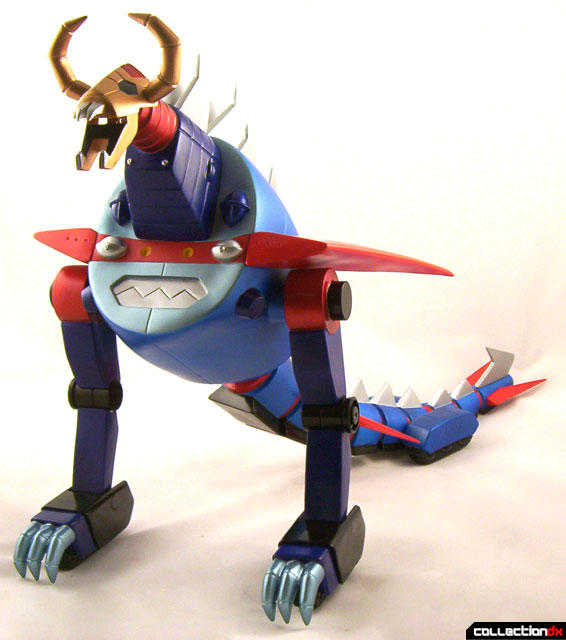
and wars are now fought with steampunk robot dragons run by difference
engines, but the important thing is that my readers need to be able to
understand this world and relate to it, while it’s on the page
in front of them.
All the worldbuilding is good, but my story needs to have
something my audience can immediately identify with in some way, and it’s best if
it’s the main character. Someone who
hates their job, who wants something they can’t have, or maybe who just feels
like an outsider. A person with a universal need or desire.
 When a reader believes in my characters, they’ll believe in
what’s happening to my characters. It
has to do with willing suspension of disbelief—I can’t believe in the big
elements of a story if I don’t believe in the basics of it. Once I’m invested
in Wakko’s life, then I’ll be more willing to go with it when he goes to work
shoveling coal in the belly of a a giant steampunk dragon (but one day he’s
going to be the commodore of the whole mechdragon fleet—you just wait and see)
When a reader believes in my characters, they’ll believe in
what’s happening to my characters. It
has to do with willing suspension of disbelief—I can’t believe in the big
elements of a story if I don’t believe in the basics of it. Once I’m invested
in Wakko’s life, then I’ll be more willing to go with it when he goes to work
shoveling coal in the belly of a a giant steampunk dragon (but one day he’s
going to be the commodore of the whole mechdragon fleet—you just wait and see)
There’s one very closely related issue to this, so close I’m
not even going to branch off and make it a separate thing. Sometimes, all the
laying-on of more genre gets a little monotone. Dramatic stories that
are non-stop drama. The horror movie that’s nothing but horror. The magical fantasy
series where everything is magical and fantastic. No matter how much I love
this thing, it gets boring pretty quick when it’s all I’m getting.
We want our fiction to mirror our lives as much as possible,
and the truth is very few of us lead monotone lives. They get broken up with moments of laughter (not always at appropriate times), random pettiness,
unexpected excitement, casual flirting, and more. Our stories should be the
same way.
The second issue happens when I try to explain
everything. It’s confusing enough that I dropped readers right into a steampunk
mechdragon battle, but now I’m going to pause that battle for ten pages while I
explain how mechdragons came to be and where the best coal for their boilers is
mined and how the creation of functioning wings (and the required steam- piston
musculature) changed the nature of battle and hey I should probably talk about
dragon tactics for a bit, right?
I think most people reading this have seen a story or two that
suddenly deviated into that sort of excessive, often unnecessary exposition. I’ve
read many stories that suddenly go to great lengths to explain how and why the serial
killer turned out the way she did. Or how she ended up with superpowers and
exactly how they work. Or both. At length.
What this leads to is stories that feel very detailed, but very little ever actually, y’know, happens. Page after page of explanation
can add up really fast, and suddenly a third of my book is just...
details. And while I’m going over those
details, my characters are just sitting around twiddling their thumbs, waiting
for something to happen again. It can also annoy my readers as all
this information gets doled out, especially if it’s something that feels
unnecessary and unmotivated.

I think there’s two ways to deal with this issue. One is
something I’ve talked about here in the past—the ignorant stranger. If I’m going to explain things, I should have
an actual, in-story reason for them to be explained. Wakko may know the day-to-day workings of a mechdragon, but Phoebe’s a stowaway and he needs to help her pass
as a crew member or she’ll be “dropped off”... and they’re three thousand feet
up. So he has a solid, understandable reason to explain everything and she can
ask a lot of the questions my readers probably have.
The other way to deal with this issue is the quick and easy
one. Cut it. I can delete anything that isn’t actually necessary to the story. This can be tough, because, I mean...
steampunk mechdragon wars! There’s so much cool stuff in those three words. But
how much of it do I really need? Is it relevant or is it just me piling more
“genre” onto the plot and story? Yeah, ceramic teeth are cool, especially on
that scale, and I’ve come up with a crazy way how they’re made, but does my
story fall apart if the reader just knows the mechdragon has... teeth? Does it
change anything if in their mind they picture the teeth are brass or steel or
diamond? Pages are precious—do I really want to spend part of one on this?
The third issue is actually the reverse of the last
one. It’s when I don’t explain anything. There’s so much new stuff that
there’s no context. I can’t tell if neshseks are coins or bills or maybe
they’re not even money. Maybe this world works on the barter system and they’re
some kind of gourd. Could be a massage or a sex act or maybe it’s some kind of
pet? Maybe it’s a pet that gives great massages?
But it’s not just terminology. The genres also tend to
collect mysterious characters who drop vague hints or implied threats
for... reasons. Creepy messages appear on walls, sidewalks, computer screens
and we never learn how they got there. Disturbing objects are discovered in the
attic and never, ever discussed again.
I think there are two general reasons this issue happens. First
is that, as the writer, I’ve sunk deep into my fictional world for the past
five months and I forgot the reader... hasn’t. They have no idea what a neshsek
looks like. Or what it’s used for. Or how many you can seriously expect to get
from a relative stranger for two tinted sets of optykwear
The other reason is that people are trying to duplicate the
sense of mystery and anticipation they got from another story, but they don’t
really understand how and why it worked there. A lot of these weird
mysteries are just a general lack. There is no explanation or reason or
motivation behind what’s happening in the story. It’s just happening right now
because... I wanted to tell a weird creepy story.

A friend of mine gave me a great rule of thumb once, and I
think it’s the best way to deal with this issue. I kinda mentioned it up
above—my main characters should mirror my audience. If my goal’s to make my
audience puzzled and eager to learn more, then really Phoebe should be puzzled
and want to learn more. If the reader’s angry about something, Wakko should
probably be angry about it, too. Likewise, if Phoebe and Wakko are both really
annoyed because they still don’t know what’s going on... well, I can probably
guess how my audience feels right now, one way or the other...
Are these the only three problems that might crop up in my
genre writing? No, not at all. I have faith in you that you will find awesome,
all-new problems. But these are the ones I see appear again and again. So maybe
they’re worth looking for in my manuscript. Just in case.
Next time... I’ve got kind of a follow up idea to this. It
didn’t really fit here, but it’s a genre problem. Sort of.
Stay safe out there. Wash your hands. Wear your mask.
Until next time, go write.
Thursday, December 3, 2015
Over-Elaborate Paint Schemes
Hope you
all had a nice week off and got a lot of writing done. Or at least a lot of relaxing so you’re fresh
and ready to write again.
As it turns
out, this little rant has turned out to be well-timed... but we’ll get to that
in a bit.
For now, I
wanted to talk about paint and simplicity.
 As one or
two of you might know, I am a bit of a miniature wargamer, or, as they’re
known to the greater world at large, a geek.
Yep, I build little toy soldiers and beasties, scale scenery, vehicles,
the whole deal. I used to be much more
into it than I am today, but I still enjoy building the models and playing with
my group now and then.
As one or
two of you might know, I am a bit of a miniature wargamer, or, as they’re
known to the greater world at large, a geek.
Yep, I build little toy soldiers and beasties, scale scenery, vehicles,
the whole deal. I used to be much more
into it than I am today, but I still enjoy building the models and playing with
my group now and then.
Recently I
was painting some models and remembered an old article I’d read ages back in
one of the hobby magazines I subscribed to (again, used to be much more into
it). They had a regular column on
painting techniques for little toy soldiers, and one month a guest columnist
wrote about what he called “non-metallic metallics.” It was a style of painting where you made swords, guns, armor, and so on look like steel and gold without actually using steel or gold paint. Instead you’d use lots of whites, blues, grays, oranges, and yellows—all different shades—to create highlights and reflections and the appearance of shiny metal. Make sense?
So much better, he said. So much
more realistic. It really brought the
miniatures to life.
Now, the
very next month they ran an article from another painter—their regular guy, in
fact—and his article amounted to “no, no, NO!”
He was very much against the whole non-metallic metallics thing. As he explained, it was using a lot of time
and extra paint to create the same effect you’d get naturally by just using the
metallic paints. Plus, the non-metallic
style was completely angle-dependent. It
worked well for displays and dioramas, but wasn’t appropriate for models that
would be out on a tabletop battlefield and viewed from many different
directions. That’s when the non-metallic
illusion would break down. As he
explained, why buy seven or eight pots of paint to achieve what—for these
purposes—you could do much better with one?
That was
the last painting column, if memory serves, and the regular guy was never
mentioned again. The company that
published the magazine also sold the paint.
Draw your own conclusions about what happened there.
Now, aside
from the capitalist warning, what’s the message here?
There’s a
subset of folks who insist things can’t be simple. Simple is stupid. Simple is for amateurs, they’ll tell you, not
professionals. You’re not going to use
that common, easy paint scheme, are you?
Because you’ll never be considered an expert that way
Unfortunately,
too many of these people consider themselves gurus of some kind or another. They’ll charge you good money for bad advice.
Advice they’ll usually try to pitch as rules.
 There’s
nothing wrong with simple. Having a
simple paint scheme let me paint the bulk of my Space Marine army in a few
weekends rather than a few months. I had
close to a hundred little soldiers the size of my thumb—I wasn’t going to spend
hours and hours on each one.
There’s
nothing wrong with simple. Having a
simple paint scheme let me paint the bulk of my Space Marine army in a few
weekends rather than a few months. I had
close to a hundred little soldiers the size of my thumb—I wasn’t going to spend
hours and hours on each one.
But...
There were
a couple models I did lavish with some extra time. Captain Machiavel got a lot of fine detail
picked out on his armor. I put
highlights on Veteran Sergeant Constantine’s sword. Veteran Dreadnaught Faustus has a ton of
scrollwork on his weapons and purity seals.
(Yes, I
named some of my little toy soldiers—stay on topic, okay?)
Just like
there’s nothing wrong with simplicity, there’s nothing inherently
wrong with complexity, either. It’s all
about having the experience to know when each is appropriate. I wasn’t going to spend hours and hours
painting each of the rank-and-file soldiers, because I didn’t want a hundred
individual paint jobs distracting from the look of the army as a whole. That said, I’m still going to make the army
commander, squad leaders, and big models look good because... well, they’re the
ones people are going to focus on.
See where
I’m going with this?
As an
aspiring writer, I encountered lots of folks trying to tell me my writing
wasn’t sophisticated enough. That my vocabulary was too simplistic.
And I listened to them. I started
using a lot more adverbs. I tried to use
metaphors and similes in the description of every person, place, and thing that
appeared in my stories. Hell, for a
while I made a point of never using the same dialogue descriptor twice on a page.
And I never, ever used said.
Said was stupid. It for amateurs,
and I was a professional
Thing is,
none of this made my writing any better.
Oh, sure, it was boosting my word count a lot, but it wasn’t really improving
my ability. In fact, one of the first
times I ever got to sit down with an actual professional editor—someone who
could pay me money for my work—his two big pieces of advice for me were to cut all my adverbs and go back to using said.
Let’s do a
quick test. Grab a novel or anthology
that’s near you. Not a Kindle, if that’s
possible—a real book will work better for this.
Preferably something you’re familiar with.
Got
one? Flip through it, or just open at
random once or thrice. You’re looking
for a page with dialogue, not exposition. Found it? Count up how many times said appears on
that page.
I’m willing
to bet it’s there a decent number of times.
And I bet you never noticed until I just asked you to count them
up. Said is invisible. When I use said, readers can enjoy my
overall story rather than getting caught up in individual sentences that break the flow.
 Y’see,
Timmy, using complex phrasing and obscure words doesn’t automatically make me a
good writer. Especially if there’s no
point to my complexity and I don’t understand the words I’m
using. If that’s the case, trying to do
this can actually make me a worse writer. I’m suddenly the guy trying to do fine detail
work with a paint roller, or trying to cook a five course meal when I haven’t
quite figured out the toaster yet.
Y’see,
Timmy, using complex phrasing and obscure words doesn’t automatically make me a
good writer. Especially if there’s no
point to my complexity and I don’t understand the words I’m
using. If that’s the case, trying to do
this can actually make me a worse writer. I’m suddenly the guy trying to do fine detail
work with a paint roller, or trying to cook a five course meal when I haven’t
quite figured out the toaster yet.
Again,
there’s nothing wrong with being more sophisticated, or to using ten-syllable words over two-syllable ones. There just
needs to be a point to it. It needs to
serve a purpose in my telling of this story.
If it’s just me, the author, trying to show off how impressive I am and how extensive my vocabulary is... well, that’s not really helping the
story. It’s just the literary equivalent
of hanging rubber testicles on the back of my truck.
I mostly
use said in my writing. Mostly. I’m not against having my characters shout
or mutter or snap or whisper or shriek or hiss
or call out. When they do,
though, I have a solid reason for making that bit of dialogue stand out on the
page.
So ignore those folks saying you must be more complex with a wider vocabulary. And the ones telling you to always keep it
simple. Just focus on telling your story the best way you can.
And that’s
that.
In other
news... It is, alas, that time of year.
So, if I may, I’d like to direct your attention to my usual Black Friday offer for those who need it, the standard Cyber Monday appeal to consumer
capitalism, and the suggestions of much better stuff to give the readers in
your life.
I’d also
like to point out that my publisher, Penguin Random House, is doing a fantastic
online campaign this season called Give a Book. If you’re on Facebook or Twitter, just use
the hashtag #giveabook when you talk about buying books for friends, family,
loved ones, and so on. Every time
someone uses the hashtag, from now until December 24th, PRH is going to donate
a book to the First Book literary charity.
The goal this year is to hit 35,000 books (last year they aimed for
25,000 and hit 37,000). So take a minute out
of your holiday frenzy and do something for a good cause.
Next time,
I’d like to talk about the people we enjoy reading about.
Until then...
go write.
Thursday, June 4, 2015
Shameless Self-Promotion Post
A quick apology for missing the past few weeks. Real life intrudes at the most inopportune times. I had some rewrites that had to get my attention, and then... well, I had a big book release. With all the before-press and during-press (going on right now) that entails
 Speaking of which, if you'll forgive me, I was going to do a quick bit of shameless self-promotion. My first hardcover came out on Tuesday. It's called The Fold, and it's sort of a sci-fi/mystery/thriller with a strong horror element. More or less.
It's got a ton of praise from people like Bram Stoker Award winners Joe McKinney (Dead City) and John Dixon (Phoenix Island), Chuck Wendig (Blackbirds), Mira Grant (Feed and Parasite), Wesley Chu (Lives of Tao), DJ Molles (the Remaining series), and Andy Weir who wrote a book called The Martian. Heck, even the Kirkus Review liked it and I'm told they're really picky when it comes to giving good reviews.
If you happen to live in California, I'm in the middle of doing a bunch of signings (which is why there's no ranty blog this week). I’ll be scribbling in books at 7:00 tonight (Thursday, June 4th) at Borderlands Books in San Francisco, and then at Dark Delicacies in Burbank on Saturday, June 6th around 2:00 pm. Plus on Sunday I'll be down at Mysterious Galaxy in San Diego for the Writer's Coffeehouse

It's got a ton of praise from people like Bram Stoker Award winners Joe McKinney (Dead City) and John Dixon (Phoenix Island), Chuck Wendig (Blackbirds), Mira Grant (Feed and Parasite), Wesley Chu (Lives of Tao), DJ Molles (the Remaining series), and Andy Weir who wrote a book called The Martian. Heck, even the Kirkus Review liked it and I'm told they're really picky when it comes to giving good reviews.
If you happen to live in California, I'm in the middle of doing a bunch of signings (which is why there's no ranty blog this week). I’ll be scribbling in books at 7:00 tonight (Thursday, June 4th) at Borderlands Books in San Francisco, and then at Dark Delicacies in Burbank on Saturday, June 6th around 2:00 pm. Plus on Sunday I'll be down at Mysterious Galaxy in San Diego for the Writer's Coffeehouse
And then, back here we I may talk about chapters and cliffhangers, or maybe about...
Thursday, December 12, 2013
Voodoo Zombie vs Biochem Zombie
This week’s
blog title is from a future Asylum movie for SyFy. It’s not in development or anything, as far
as I know, but I’m pretty sure just by writing that online I’ve caused it to
happen. It’s the internet butterfly effect.
And
speaking of that geeky reference to a geeky reference...
What that
title really comes from is a note from a friend of mine, the editor at a
sci-fi/ science site called Giant Freakin Robot (check it out—it’s fun and
educational). He was explaining what
kind of movies and television shows the site covered. To paraphrase, if the zombies have
biochemical or viral origins, GFR will cover them, but not if they’re raised by
voodoo spells or curses.
Over the
past few years, a lot of genres have really blended together. In books and movies, it’s not uncommon to see
strong action, drama, or even comedy threads mixing in with sci-fi, fantasy, or
horror. Nowadays it’s just as common for
protagonists to fight the undead as it is to run from them, and in doing so
writers and readers have created dozens of subgenres.
 Personally,
as I’ve mentioned before, I’m a big fan of this. I think any story that stays too much in one
vein tends to get dry pretty quick.
There’s almost always some humor in every situation, even incredibly
dark ones. It’s not uncommon for men and
women to have inappropriate thoughts at really inopportune times (or to act on them). Hey, I grew up on Doctor
Who, so in my mind it makes perfect sense for religion-obsessed barbarian
tribes to be descended from intergalactic survey teams or for aliens to be
controlling the Loch Ness Monster.
Personally,
as I’ve mentioned before, I’m a big fan of this. I think any story that stays too much in one
vein tends to get dry pretty quick.
There’s almost always some humor in every situation, even incredibly
dark ones. It’s not uncommon for men and
women to have inappropriate thoughts at really inopportune times (or to act on them). Hey, I grew up on Doctor
Who, so in my mind it makes perfect sense for religion-obsessed barbarian
tribes to be descended from intergalactic survey teams or for aliens to be
controlling the Loch Ness Monster.
Now, sad
but true, there aren’t a lot of firm rules on mixing these things. Every story is different, so the way my
story blends horror and comedy is going to be different from the way your
story blends them. Ten of us can use the
same basic plot, but we’re each going to end up with our own unique story. My characters won’t react the
same way as yours, hers will make different decisions than his.
As such it’s hard for anyone to say which
amount is right or wrong without having all the context. To use one of my frequent cooking analogies,
it’s kind of like if I asked “is this too much sugar?” It’s an impossible question to answer without
knowing what I’m cooking, what are the recipe standards, what are my
preferences, and what are the preferences of the people who are going to be
eating it. My own skill level in the
kitchen matters, too, on whether I should be trying a fried Alaska, death by
chocolate, or maybe just a bowl of Captain Crunch.
However...
all that being said...
I think
when these mixed genre stories go bad, a lot of folks tend to look at the small
issues and ignore the big ones. Something isn’t bad because it mixed androids
and artificial intelligence with Arthurian legends, or because it introduced a
lot of comedy into the Cthulhu mythos.
Those are just the easiest targets, so they get the criticism first.
What I’ve
come to realize is that most bad genre stuff tends to be bad for the same three
reasons. Granted, there’s always going
to be someone who tries to write a sexy mutant cockroach story (or something
worse), and there will always be people who just load up on basic mistakes like spelling or flat characters or incoherent plotting. In my experience, though,
most genre stuff goes wrong in three basic ways—whether my story is one pure
genre or several overlapping ones.
The first
and often biggest mistake is when authors try to make their stories too fantastic. If I have an idea, it gets included in the story. No matter what it is, I’ll cram
it in there. If you’ve ever watched old
slasher movies, you know most of them just devolved into creative ways to kill
people, and sometimes there are excess characters for no other reason but to
allow for more inventive deaths. Most of
us have probably read a sci fi novel that went to great lengths to explain how the
weapons, shoes, uniforms, food, transportation, education, and economics are
all very different on that other world or in that not-so-distant future. I read a book recently that had to do with...
well, everything. No, seriously. Government conspiracies, bio-engineering,
super-soldiers, angels and demons, secret identities, zombies, aliens
from Neptune, extraterrestrial dragons, thrill-killers, child abuse, sadism, torture porn, regular porn, and lost civilizations in the Amazon. All of these things were major threads and
elements in one average-length novel. Heck,
I’m tempted to say it was even on the shorter side.

This is
closely related to the second problem—when the writer tries to explain
everything. Bad enough that I felt the
need to include the secret android army, but now I’m also going to write about
how they were first developed by the Mysteridroid Corporation three hundred
years ago, how they see the world, and even how they recharge in various
situations. I think most people reading this
have read a story or two that suddenly deviated into exposition like that. Edgar Rice Burroughs had an awful habit in
his Mars books of having his characters stop and explain various aspects of
Barsoomian technology (one midnight walk with the Princess famously spun into a
discussion of how radium bullets are manufactured and used). A few recent horror films have gone to great
lengths to explain why their antagonist turned out the way he or she did, even
though that mystery was part of the character’s strength.
What this
often leads to is stories that feel very exotic and detailed, but very little
ever actually happens in them. Page
after page of explanation can add up really fast, and no matter what my chosen format is, there's only going to be so many pages. Suddenly a
third of my book is just... details. And
while I’m going over those details, my characters are just sitting around
twiddling their thumbs, waiting for something to happen again. This can also lead to a bit of resentment from the reader as I’m spoon-feeding them all this information.
As it turns
out, problem number three is the flipside of
two. It’s when the writer doesn’t
explain anything. I’ve gone through
whole chapters of a book trying to figure out which character was Kristo. Mystery Science Theater
3000 once had a running gag about a mystical object (or maybe it was a
person...) called “the Sampo.” We’ve all
seen stories where people ride “twyrfels” and we’re left wondering what the
hell a twyrfel is (an animal? a vehicle? some kind of transporter beam?).
There’s
also the folks who hide motives and actions to create a sense of mystery. Characters
will appear, make a mysterious statement or three, and then vanish from the
story. Creepy messages will be found on
walls, sidewalks, or computer screens and we never learn how they got there. Disturbing objects are found in the cellar,
but never discussed again. Ever.
There are
two general causes behind this, in my experience. In the first case it’s when I’ve sunk so far
into my fictional world and spent so much time there that I forget the reader
isn’t quite so familiar with it. I can
tell you the whole history of the twyrfel as transportation, so I forget that
you don’t even know what one looks like.
In the second case, they’re trying to duplicate the tone of books like House
of Leaves or shows in the vein of LOST or Person of Interest,
but they don’t really understand how those stories achieved that tone. This is especially frustrating when there’s clearly no real mystery, just a bunch of withheld information.
So, there’s
three big, common mistakes in genre fiction.
Sci-fi, horror, fantasy—we could probably give an example of each
failing for each genre. We could even
make a chart.
Or we could
go over a few simple ways to avoid these issues...
For that first
problem up above, my story needs to have something my audience can immediately
relate to in some way, and it’s best if it’s the main character. Someone who hates their job, who wants
something they can’t have, or maybe who just feels like an outsider. Simply put, a person with a universal need or
desire.
 I’ve mentioned once or thrice that believable characters make for
believable stories, and that’s especially true here in the genres. Seriously, pick a popular genre story and I’ll bet
the main character has a very humble, relatable origin. Dan Torrance is a nursing home orderly before
he’s forced to confront the True Knot. Katniss
Everdeen is just trying to put food on the table when she’s forced to fight for
her life in an arena. John Anderson
(a.k.a. Neo) was a cubicle drone who was dragged into a war between humanity
and sentient machines. Dana, Marty,
Jules, and their friends were regular college students before they decided to
spend their vacation at that old cabin in the woods. Hell, even in Pacific Rim, one of the
most over-the-top movies of the year, our hero Raleigh is working a
construction job when we catch up to him in the present, still shaking off the
death of his brother.
I’ve mentioned once or thrice that believable characters make for
believable stories, and that’s especially true here in the genres. Seriously, pick a popular genre story and I’ll bet
the main character has a very humble, relatable origin. Dan Torrance is a nursing home orderly before
he’s forced to confront the True Knot. Katniss
Everdeen is just trying to put food on the table when she’s forced to fight for
her life in an arena. John Anderson
(a.k.a. Neo) was a cubicle drone who was dragged into a war between humanity
and sentient machines. Dana, Marty,
Jules, and their friends were regular college students before they decided to
spend their vacation at that old cabin in the woods. Hell, even in Pacific Rim, one of the
most over-the-top movies of the year, our hero Raleigh is working a
construction job when we catch up to him in the present, still shaking off the
death of his brother.
I think
there’s two ways to deal with the second problem, too much
information. One is a concept I’ve
talked about here in the past—the ignorant stranger. If things are going to be explained, I should
have an actual, in-story reason for that explanation. Yakko may know all about the secret android
army, but Dot doesn’t. This gives him a
valid reason to talk about the Mysteridroid Corporation for a page and a
half. I just need to be sure this really
is an ignorant stranger situation and I’m not falling back on the dreaded “as you know...” crutch.

But is it
necessary to the story, or is it just there to help push things deeper into my chosen genre? It’s cool that my
hero has an energy sidearm that uses ultrasonic beams focused through a blue
quartz crystal to set up a harmonic vibration in the target’s cells which causes
extreme pain and eventual molecular disruption, all powered by a cold-fusion
microbattery... but in the long run is this any different than just saying he
has a blaster? Or a pistol? I may have the most inventive take on
teleportation ever, but if there’s no point to teleportation technology in my story
except to show off this idea... why bother?
If the plot flows along fine without it, why take up space on the page
with it?
The third
problem, not explaining anything, is a little tougher. On one level, it’s just a matter of skill and
practice. I need to be a good enough
writer to know how my plot’s shaping up and to empathize with my audience.
A friend of
mine gave me a great rule of thumb once—my main character should mirror my
audience. If my main character’s angry
about something, the reader should be angry about it. If my protagonist is puzzled, it means the
audience should be puzzled. And if my hero is annoyed because he still doesn’t
know what’s going on... well, that’s probably a sign I should have a reveal or
two in the immediate future.
The other
way to deal with that third problem is to be sure my story actually has a real mystery, not just the sense of one. Tying in to what I just mentioned, nothing
will aggravate my readers more than to stumble through a story alongside my
hero and then discover I’m not revealing a single thread of my mystery. Or, worse yet, they might realize there isn’t
a mystery at all—I was just stringing them along with some nonsense clues. I need to know what the secret is going to be
and work backwards, making sure my characters are smart enough to uncover it or
honestly motivated to hide it, depending on which side of the mystery they’re
on.
Are these
three the only problems that might crop up in my genre writing? Not by a long shot. But these are the ones I see cropping up
again and again, so they’re worth looking at and considering. And fixing.
Next time,
the last post before Christmas, I’d like to share a little holiday conversation
I had with the writer-director of Iron Man 3, back when he was just the
guy who did Kiss Kiss Bang Bang,
Until then,
go write.
Thursday, August 22, 2013
Making It Count
I haven’t
babbled on about dialogue in a bit, so I thought I’d toss out a quick idea
about that.
And I
thought I’d make it interesting by telling a story.
As some of
you know, I worked in the film industry for several years. This let me work with a lot of storytellers
of all different types—most notably (for this little rant) directors. If the screenwriter is the person who creates
the story, the director’s the one who decides how to tell the
story. Some of them were very good at
this. Others were not.
A common
flaw I saw in bad directors was an urge to make every single shot special. It didn’t matter if it was a wide shot, a
close-up, a master, or coverage. Every
shot required tons of set up and rehearsals and discussions and little tweaks
and adjustments.
Now, I’m
sure some of you are saying “Isn’t that the director’s job? To make it look good?” Well, yes and no. That is one element of the job, yes. Another one is sticking to a schedule so
material gets delivered on time (very important in television and the
lower-budget realms), and another one is making sure the material that gets
delivered is usable and cuts together well.
So what I’d
see again and again is unskilled directors who would spend hours on their first scene or two of the day, then come back from lunch and discover
they still had 85% of the day’s schedule to film. And they’d do this again and again. I worked with some directors who’d do this on
every day of a shoot.
And this
was bad for the final product, too. All
this effort was put into those first scenes no matter what they were, and then
later scenes had to be rushed through and skimmed—no matter what they were. So the final film was uneven. It had too much punch were it didn’t need it,
not enough where it did. These guys were
so focused on making each individual shot look amazing—no matter what that
particular shot was—that they didn’t stop to think of the film as a whole.
 Enter...
Krishna. I worked with him on a Sci-Fi Channel
show (yes, it was Sci-Fi back then) called The Chronicle and he
was wonderful. Krishna started out as a lowly crew guy (one of his first film credits is John Carpenter’s Halloween)
and worked his way up, learning the whole way. He had kind of an
unwritten rule—I’m not even sure he ever put it into words. “One pretty shot a day.” Once a day we’d have an elaborate shot with
the camera dolly or a crane (if we had one), or an elaborate one-er that involved
lots of rehearsal. Everything else would
just be master-overs-coverage-done.
Enter...
Krishna. I worked with him on a Sci-Fi Channel
show (yes, it was Sci-Fi back then) called The Chronicle and he
was wonderful. Krishna started out as a lowly crew guy (one of his first film credits is John Carpenter’s Halloween)
and worked his way up, learning the whole way. He had kind of an
unwritten rule—I’m not even sure he ever put it into words. “One pretty shot a day.” Once a day we’d have an elaborate shot with
the camera dolly or a crane (if we had one), or an elaborate one-er that involved
lots of rehearsal. Everything else would
just be master-overs-coverage-done.
I’m sure
there’s a few film students reading this who might be muttering about the lack of art in television or making some snide comments about “real” directors,
but keep these things in mind. Krishna
made his schedule pretty much every day.
The cast and crew loved working with him and worked twice as hard
because of it. Because he didn’t
overload himself trying to do too much, he had time to make sure all his
material fit together just how he wanted.
And he still had (on an average television schedule) seven pretty shots
in a forty-odd minute episode. That’s a
great shot every six minutes, which meant he could use them to punctuate the
moments where he wanted to have visual impact.
And, like any rule, sometimes he’d bend it a bit. There were days we’d do two pretty shots, or
maybe we’d have an elaborate stunt or effects sequence on top of the regular
pretty shot. But these were always the exception, not the rule. And
his episodes looked fantastic.
Many of you
are probably wondering what this has to do with dialogue, yes?
I’ve
mentioned the word said a few times before. Said is the workhorse of dialogue
descriptors. It does the job without
being showy or flashy, and it’s quick and simple to use.
I used to
avoid said like the plague. I
went out of my way to make sure all my dialogue descriptors were special and pretty. I’d actually spend time making
sure I never used the same one more than once on a page. And I never used said. Said was for pedestrian writers with
no skill. No art.
As some of
you may recall, one of the very first critiques I ever received from a professional editor was to stop using so many flowery descriptors and start using said. It’s advice I
took to heart, and still follow today. Hell, it’s number three on the late, great
Elmore Leonard’s rules of writing.
That
doesn’t mean I don’t use whispered or shouted or chuckled
or any of those other colorful descriptors.
I just use them less often. A lot
less. I save them for when it really
counts rather than wasting them. I want
my words to have the most impact, and that means saving the good ones for the
moments that count.
So when
your characters have something to say... just have them say it.
Next time,
author Thom Brannan’s going to step in here for a guest post so I can get some
work done on a new project. But I’ll be
back the week after that to talk about Easter eggs.
Until then,
go write.
Subscribe to:
Comments (Atom)